
More people put off seeing a cardiologist because of a misconception than because of a lack of symptoms. “I’m too young,” “chest pain would feel worse than this,” “my reports were normal last year, so I’m fine” — these assumptions feel reasonable in the moment, but they’re exactly what allows treatable heart conditions to progress unnoticed.
If you’ve been searching for a cardiologist specialist doctor in Bellandur, there’s a good chance you’ve already run into some of these myths, either from family, from the internet, or from your own reasoning about what “counts” as a heart problem. Clearing them up is often the first real step toward getting proper care — before a manageable issue turns into an emergency.
This guide walks through the most common misconceptions that delay treatment, what a proper cardiac evaluation should look like instead, and how to identify a specialist worth trusting with long-term care.
Myth 1: “Heart Disease Is an Old Person’s Problem”
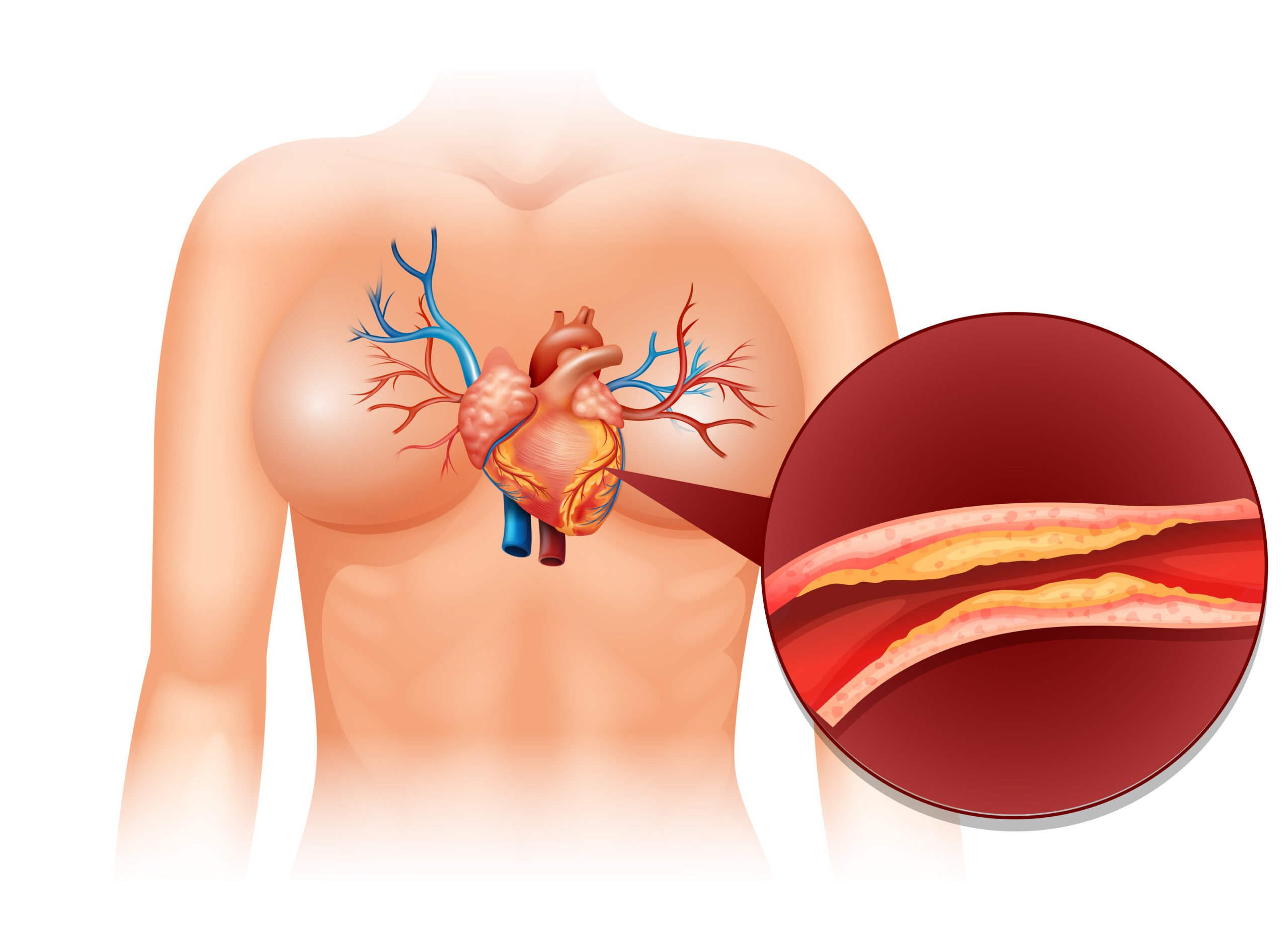
Cardiovascular risk does increase with age, but the underlying process — plaque building up in arteries — often begins decades before symptoms appear. Rising rates of diabetes, obesity, high stress, and sedentary lifestyles have pushed heart attacks and severe blockages into people’s thirties and forties with increasing frequency.
Anyone searching for the best cardiologists in Bellandur because of a health scare in their thirties or forties isn’t overreacting — they’re catching something that, historically, might not have been taken seriously until much later, and much later would have meant far worse outcomes.
Myth 2: “If It’s Serious, the Pain Would Be Obvious”
Textbook chest pain — sudden, crushing, radiating down the left arm — is only one presentation of cardiac trouble, and not even the most common one for many patients, particularly women and people with diabetes. Heart problems can show up as:
- Mild, intermittent chest tightness that comes and goes
- Breathlessness during activities that used to feel effortless
- Unexplained fatigue that doesn’t improve with rest
- Nausea, indigestion-like discomfort, or jaw/back pain
- Palpitations or a racing heartbeat without an obvious trigger
None of these need to be dramatic to be worth investigating. Subtle, easy-to-dismiss symptoms are frequently the ones that matter most, and they’re exactly what should prompt a visit to a cardio specialist in Bellandur rather than a “wait and see” approach.
Myth 3: “A Normal ECG Means My Heart Is Fine”
A resting ECG only captures electrical activity at a single moment. Significant coronary artery blockages can exist for years without producing any abnormality on a standard ECG, especially at rest. This is one of the most common reasons people walk away from a “quick check” with false reassurance.
A proper evaluation from a qualified specialist typically layers multiple tools depending on individual risk:
- ECG: A baseline read of the heart’s electrical rhythm
- Echocardiography (ECHO): Ultrasound imaging of heart structure and pumping efficiency
- Treadmill Test (TMT): Reveals blockages that only show up under physical exertion
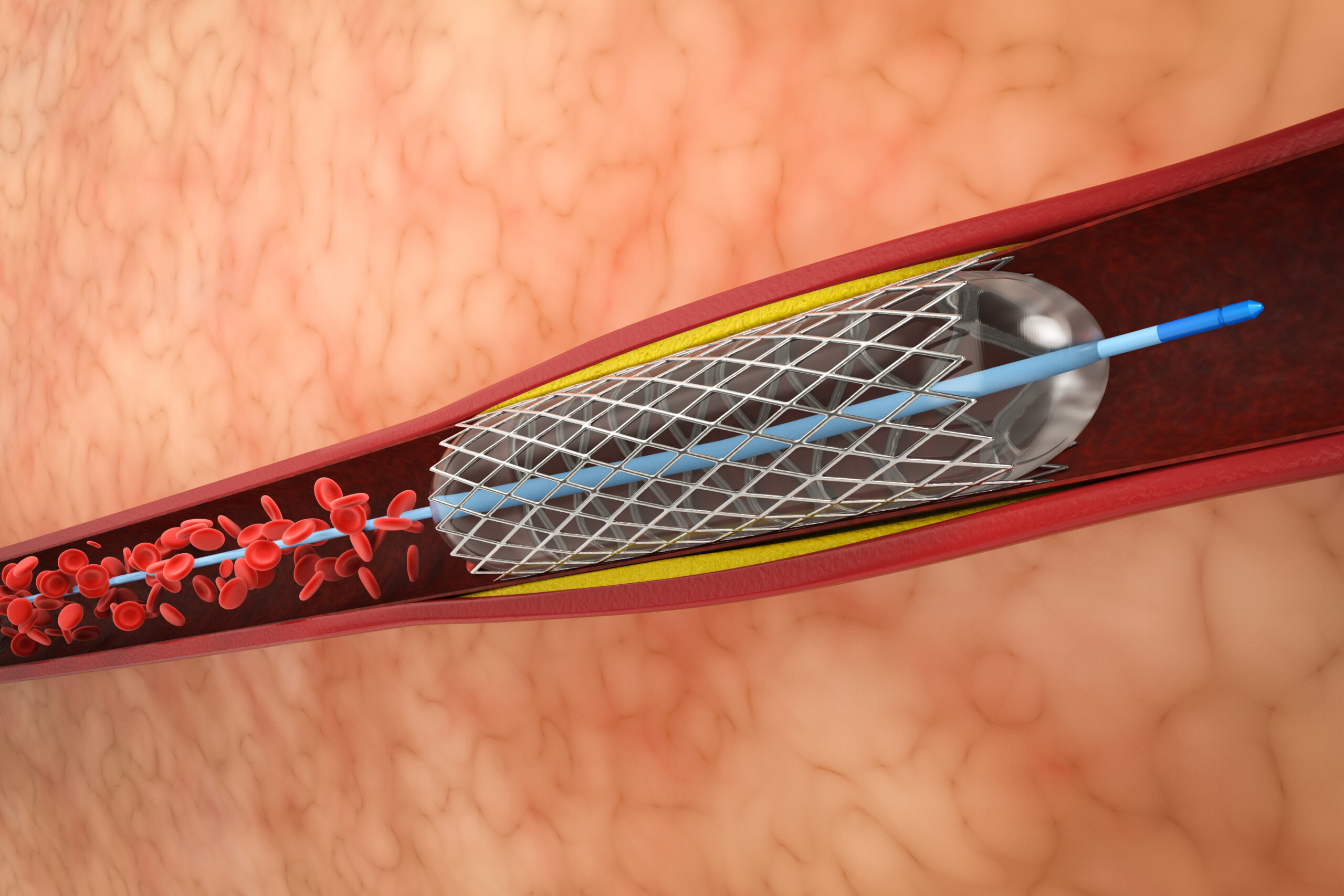
- Coronary Angiography: Direct visualization of arterial blockages using contrast imaging
- Cardiac CT/MRI: Detailed structural imaging for complex or ambiguous cases
- Holter Monitoring: Continuous rhythm tracking over 24–48 hours to catch intermittent arrhythmias
A single test in isolation rarely tells the full story — the right combination, chosen based on symptoms and risk factors, does.
Myth 4: “Heart Failure Means the Heart Has Stopped”
This is one of the most damaging misconceptions, because it makes the diagnosis sound hopeless when it’s actually a manageable, chronic condition in most cases. Heart failure means the heart isn’t pumping blood as efficiently as the body needs — not that it has stopped functioning.
People searching for cardiac heart failure treatment in Bellandur are often dealing with symptoms that have quietly built up over months, frequently mistaken for aging or general poor fitness:
- Breathlessness during mild activity or while lying flat
- Persistent swelling in the legs, ankles, or abdomen
- Sudden, unexplained weight gain from fluid retention
- Chronic fatigue and reduced exercise tolerance
- A dry, persistent cough, sometimes with white or pink-tinged mucus
Caught early, heart failure is typically managed through medication, dietary sodium restriction, and, depending on severity, device therapy such as pacemakers or implantable defibrillators. Left unaddressed, it tends to progress, with each hospitalization often accelerating decline — which makes early diagnosis genuinely change the long-term outlook.
Myth 5: “Any Cardiologist Will Do”
Not every case needs the same kind of expertise. When looking for the best doctor cardiologist in Bellandur, credentials on paper only tell part of the story. What actually matters:
Procedural volume. A cardiologist who has personally performed thousands of angiograms and hundreds of angioplasties has built pattern recognition that directly improves decision-making, especially in complex or high-risk cases.
Subspecialty match. Interventional cardiology, electrophysiology, structural heart disease, and heart failure management are distinct areas within cardiology. Matching a specialist’s specific depth to your condition matters more than general reputation.
In-house diagnostics. A facility offering ECG, ECHO, TMT, Holter monitoring, and cardiac CT/MRI under one roof allows for faster diagnosis and treatment than one requiring multiple external referrals.
Clear communication. The best specialists explain findings in plain language, walk through the reasoning behind recommended tests or procedures, and are upfront about risks and alternatives — without rushing decisions.
Ongoing follow-up. Cardiac care rarely ends after one visit. Managing blood pressure, recovering from a procedure, or living with a chronic condition all require continued monitoring and adjustment over time.
Myth 6: “Lifestyle Changes Can Fix Everything, No Matter How Advanced”
Diet and exercise genuinely matter — but their role changes depending on how advanced a condition already is. A few habits consistently improve outcomes:
- Diet: Reducing processed foods, excess sodium, and trans fats while increasing whole grains, vegetables, and healthy fats
- Exercise: Roughly 150 minutes of moderate activity weekly, adjusted to whatever level is deemed safe for your specific condition
- Sleep: Poor or inconsistent sleep is strongly linked to hypertension and arrhythmia risk
- Stress management: Chronic stress raises cortisol and blood pressure, both of which strain the cardiovascular system over time
- Routine monitoring: Regular checks of blood pressure, cholesterol, and blood sugar, especially with a family history of heart disease
Lifestyle changes can meaningfully slow progression and, in early-stage cases, improve key markers substantially. But existing blockages or structural damage usually still require medical or procedural treatment alongside those changes — not instead of them. A specialist who folds lifestyle counseling into the broader treatment plan, rather than treating it as a standalone fix, tends to see better outcomes over the long run.
When to Stop Waiting and Book a Consultation
You don’t need a crisis to justify a visit. Consider scheduling a full evaluation if:
- You’re over 40 and haven’t had a baseline cardiac check-up
- You have diabetes, high blood pressure, or high cholesterol
- A first-degree relative has a history of heart disease or stroke
- You’ve noticed any of the subtle symptoms outlined above
- You currently smoke or have a significant smoking history
- You’re recovering from a cardiac event and need structured, ongoing care
Dr. M. Sudhakar Rao, a consultant interventional cardiologist practicing at Manipal Hospital, Sarjapur Road, brings over 15 years of experience, more than 10,000 coronary angiograms, and 1,000+ primary angioplasties to his practice. His focus spans complex coronary interventions, structural heart procedures, device implantation, and heart failure management — combined with a diagnostic approach tailored to each patient rather than a one-size-fits-all checklist. That combination of depth, precision, and clear communication is exactly what to look for when choosing a specialist for long-term cardiac health.
Frequently Asked Questions
How do I find the best cardiologists in Bellandur if I’m not sure my symptoms are serious?
Any persistent or unusual symptom — even mild chest discomfort, fatigue, or breathlessness — is worth a proper evaluation rather than self-diagnosis. A qualified cardiologist can determine within one visit whether further testing is needed.
What should I expect during a first visit to a cardio specialist in Bellandur?
A first consultation typically includes a detailed history review, physical exam, blood pressure check, and often a baseline ECG, with further tests like an echocardiogram or stress test recommended based on findings.
Is heart failure treatment always long-term?
In most cases, yes. Heart failure is typically a chronic condition managed through medication, lifestyle changes, and ongoing monitoring, though treatment intensity often decreases once the condition is well controlled.
At what age should I start getting regular cardiac check-ups?
Many specialists recommend a baseline evaluation around age 30–40, earlier with a family history of heart disease, diabetes, high blood pressure, or a sedentary lifestyle.
Can a normal ECG rule out heart disease?
Not on its own. A resting ECG only captures the heart’s electrical activity at a single moment and can miss significant blockages that don’t produce symptoms at rest, which is why additional tests are often needed based on risk factors.
How do I choose the best doctor cardiologist in Bellandur for a complex condition?
Look for subspecialty alignment with your specific condition, ask about procedural volume for similar cases, and confirm the facility offers comprehensive diagnostics in-house rather than requiring multiple referrals elsewhere.
Final Thoughts
The biggest risk in cardiac health often isn’t the disease itself — it’s the delay caused by assuming symptoms aren’t serious enough, or that a single normal test result means there’s nothing to worry about. A proper evaluation, tailored to individual risk factors, combined with a specialist who has real procedural depth and communicates clearly, is what actually protects long-term heart health. Waiting for certainty before seeking care is, in most cases, the one thing worth avoiding entirely.