
Heart disease continues to be one of the leading health concerns in urban India, and HSR Layout’s fast-paced lifestyle, long working hours, and high-stress environment have made cardiac issues increasingly common among residents of this bustling tech and residential hub. Whether it’s a routine check-up, an urgent chest pain complaint, or long-term management of a heart condition, finding the right cardiac care close to home can make all the difference.
This guide walks you through everything you need to know about accessing quality cardiac care in the area — from recognizing warning signs to choosing the right specialist and understanding available treatments.
Why Heart Health Deserves Your Attention
The heart doesn’t usually give loud warnings before something goes wrong. Fatigue, breathlessness on exertion, occasional chest discomfort, or irregular heartbeats are often brushed aside as “just stress” or “just tiredness.” Unfortunately, this tendency to ignore early symptoms is one of the biggest reasons cardiac conditions are diagnosed late, when treatment becomes more complex and outcomes less favorable.
Regular screening becomes especially important for people who:
- Have a family history of heart disease
- Are over the age of 40
- Live with diabetes, high blood pressure, or high cholesterol
- Smoke or have a sedentary lifestyle
- Experience unexplained fatigue, breathlessness, or palpitations
Given how densely populated and professionally active HSR Layout is, having access to a trusted Cardio Specialist in HSR Layout for timely evaluation can help catch problems early, when they are far easier to treat.
What to Look for When Choosing a Cardiac Specialist
Not all cardiac consultations are the same, and choosing the right doctor matters as much as choosing the right hospital. Here are a few factors worth considering when searching for the Best Doctor Cardiologist in HSR Layout:
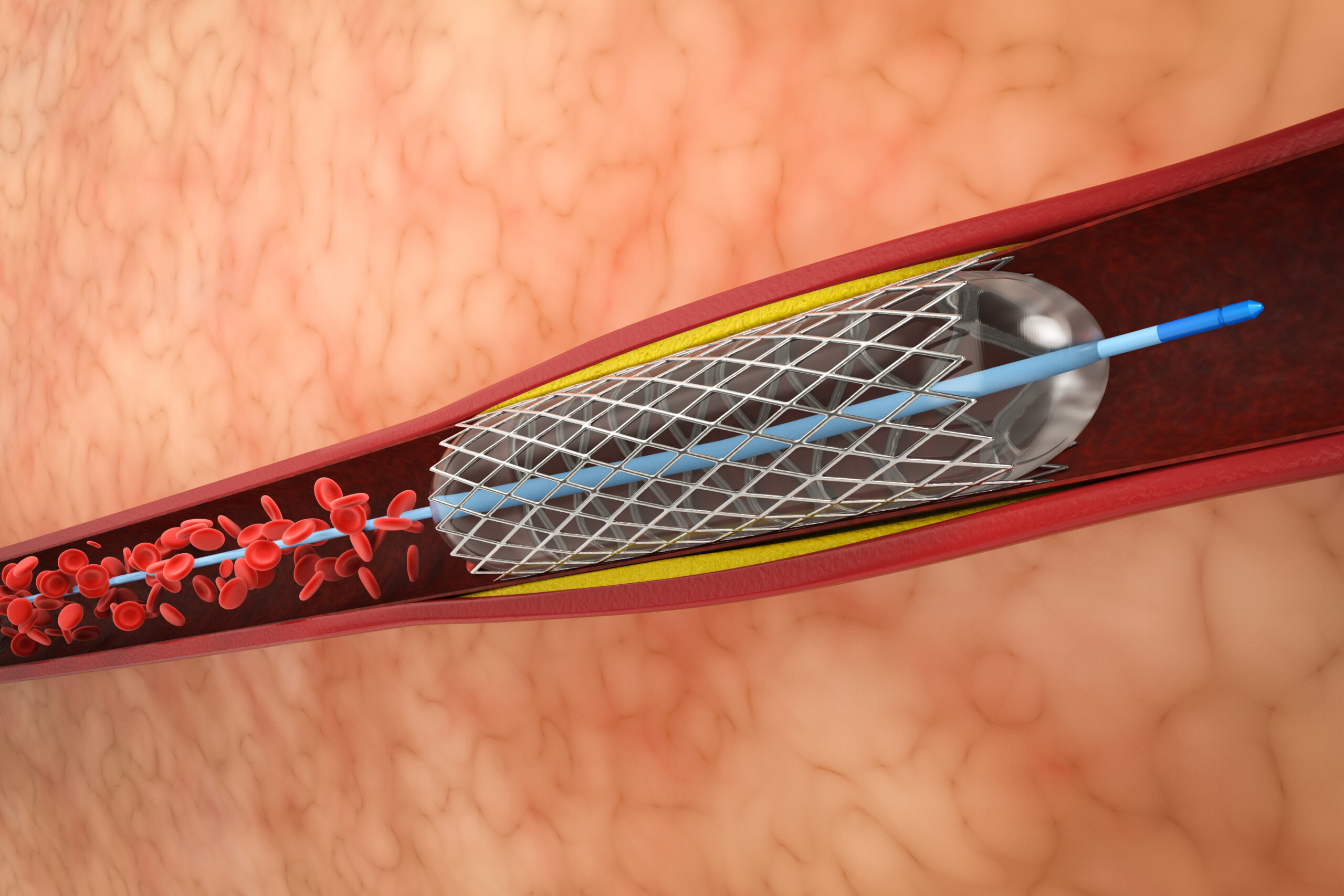
1. Specialization in Interventional Cardiology General cardiology covers diagnosis and medical management, but interventional cardiology involves catheter-based treatments such as angioplasty and stenting. A specialist trained in interventional procedures can offer both diagnostic clarity and, if needed, immediate corrective treatment without always requiring open-heart surgery.
2. Experience with Complex Cases Cardiac cases vary widely — from stable angina to acute heart attacks to advanced heart failure. Choosing a doctor with a strong track record across a range of complexity levels gives patients confidence that their case, however straightforward or complicated, is in capable hands.
3. Access to Modern Diagnostic Tools Echocardiography, stress tests, coronary angiography, and Holter monitoring are essential tools for accurate diagnosis. A good cardiac clinic should have access to these facilities or a clear referral pathway for them.
4. Focus on Long-Term Management, Not Just Emergency Care Heart disease is often a lifelong condition to manage rather than a one-time problem to fix. The best cardiologists in HSR Layout tend to be the ones who build ongoing relationships with patients — tracking medication response, adjusting lifestyle recommendations, and monitoring progression over months and years.
Dr. M. Sudhakar Rao: A Trusted Name in Cardiac Care
Among the established names in cardiac care in the region is Dr. M. Sudhakar Rao, a cardiologist known for his expertise in interventional cardiology and comprehensive heart care. His practice reflects a patient-centered approach that combines advanced procedural skill with attentive, ongoing management of chronic cardiac conditions.
Dr. Sudhakar Rao’s areas of focus include:
- Angioplasty and Stenting — minimally invasive procedures to restore blood flow through blocked or narrowed coronary arteries, often avoiding the need for open-heart surgery
- Heart Failure Management — structured, long-term care plans for patients dealing with reduced heart function, including medication optimization and monitoring
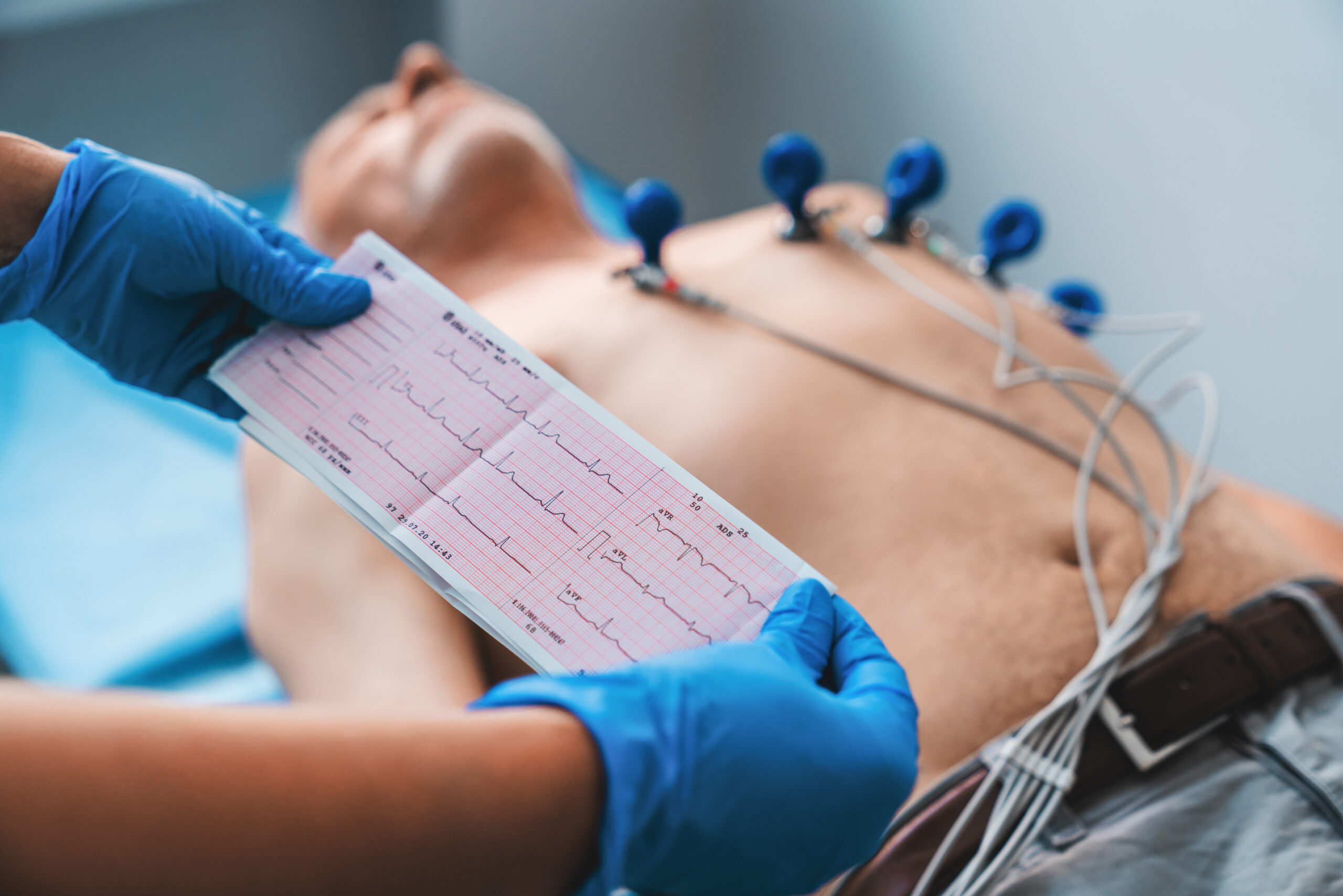
- Diagnostic Cardiology — thorough evaluation using echocardiograms, ECGs, stress testing, and angiography to accurately identify the underlying issue
- Advanced Cardiac Procedures — a range of interventional techniques for patients with complex or high-risk cardiac conditions
Patients seeking Cardiac Heart Failure Treatment in HSR Layout often need more than a single consultation — they need a doctor who understands the condition’s progression and can adjust treatment as their health evolves. This is where an experienced interventional cardiologist becomes invaluable, offering both the procedural expertise to address structural issues and the clinical judgment to manage the condition holistically over time.
To understand the full scope of services offered, you can explore the available cardiac treatments, which range from preventive screening to advanced interventional procedures.
Common Heart Conditions Treated by Specialists in the Area
A qualified cardiologist specialist doctor in HSR Layout typically manages a wide spectrum of conditions, including:
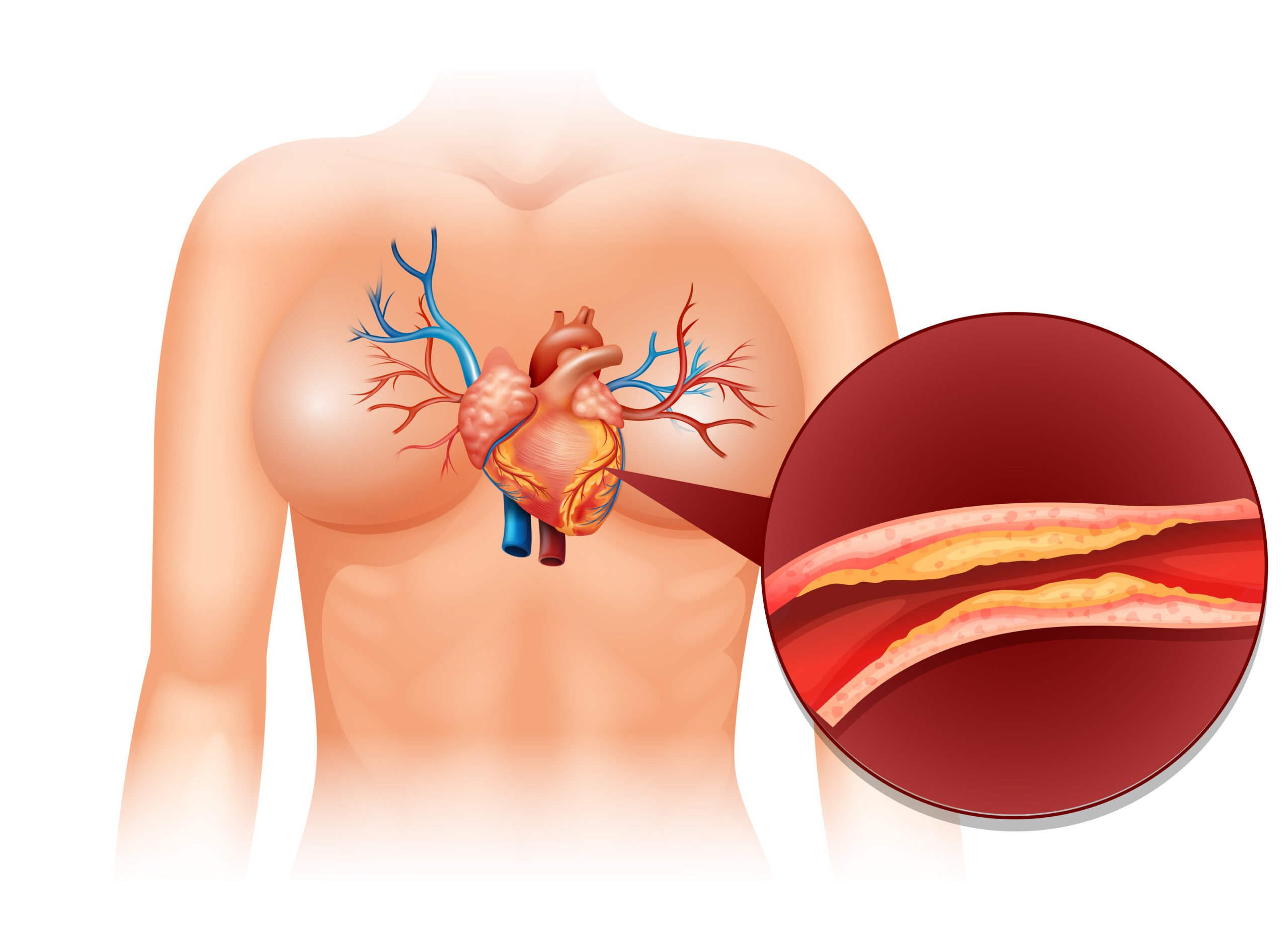
Coronary Artery Disease (CAD) Caused by the buildup of plaque in the arteries supplying blood to the heart, CAD can lead to angina or heart attacks if untreated. Treatment ranges from lifestyle changes and medication to angioplasty.
Heart Failure A condition where the heart is unable to pump blood efficiently enough to meet the body’s needs. Symptoms include breathlessness, swelling in the legs, and fatigue. Long-term management combines medication, lifestyle adjustments, and regular monitoring.
Hypertension-Related Heart Disease Uncontrolled high blood pressure puts extra strain on the heart over time, increasing the risk of heart failure, stroke, and coronary disease.
Arrhythmias Irregular heart rhythms, whether too fast, too slow, or erratic, can range from harmless to life-threatening and require careful evaluation.
Valvular Heart Disease Problems with the heart’s valves can affect blood flow efficiency and, in advanced cases, may require surgical or catheter-based correction.
The Importance of Timely Intervention
One of the most critical factors in cardiac outcomes is how quickly a problem is identified and treated. Chest pain, sudden breathlessness, or fainting spells should never be ignored, particularly in individuals with existing risk factors. Emergency cardiac situations like heart attacks are time-sensitive — every minute of delay can affect the amount of heart muscle that can be saved.
This is why having a reliable cardiologist within easy reach in HSR Layout matters. Quick access to consultation, diagnostics, and if necessary, interventional treatment like angioplasty, can significantly improve outcomes compared to traveling long distances during a medical emergency.
If you need to reach out for an urgent query or to book a consultation, you can connect directly via WhatsApp for a quick response.
Lifestyle Habits That Support Heart Health
While professional treatment is essential for diagnosed conditions, everyday habits play a major role in prevention and long-term heart health. For general reference on heart-healthy living, the American Heart Association offers useful patient guidance:
- Balanced Diet — Reduce salt, saturated fats, and processed foods; increase fiber, fruits, and vegetables
- Regular Physical Activity — At least 30 minutes of moderate exercise most days of the week
- Stress Management — Chronic stress contributes to hypertension and heart strain; practices like meditation or regular breaks can help
- Routine Screening — Annual check-ups become increasingly important after age 40, or earlier with risk factors
- Avoiding Tobacco and Limiting Alcohol — Both significantly raise cardiovascular risk over time
- Medication Adherence — For those already diagnosed with a heart condition, consistent use of prescribed medication is critical to preventing complications
Frequently Asked Questions
1. When should I see a cardiologist instead of a general physician?
If you experience persistent chest discomfort, breathlessness during routine activity, palpitations, unexplained fatigue, or have risk factors like diabetes, high blood pressure, or a family history of heart disease, it’s advisable to consult a cardiologist directly for specialized evaluation.
2. Is angioplasty a major surgery?
No. Angioplasty is a minimally invasive, catheter-based procedure performed through a small incision, typically in the wrist or groin. Most patients recover faster compared to traditional open-heart surgery, though the approach depends on individual case complexity.
3. Can heart failure be managed effectively without surgery?
Yes, in many cases. Heart failure is often managed through a combination of medication, lifestyle changes, and regular monitoring. Interventional or surgical options are considered when the underlying cause requires structural correction.
4. How often should someone with heart disease follow up with their cardiologist?
This varies by condition and severity, but generally every 3 to 6 months for stable patients, with more frequent visits during initial diagnosis or after a procedure.
5. What diagnostic tests are commonly used to evaluate heart health?
Common tests include ECG, echocardiography, treadmill stress tests, Holter monitoring, and coronary angiography, depending on the symptoms and suspected condition.
6. How can I book a consultation?
You can learn more about the clinic and available treatments by visiting the official website, or reach out directly through WhatsApp for scheduling and queries.
Final Thoughts
Cardiac health is not something to leave to chance, especially in a demanding urban environment like HSR Layout, where long work hours and lifestyle stressors quietly add to cardiovascular risk over time. Whether you need a routine screening, are managing an existing heart condition, or require advanced interventional treatment, having access to an experienced and attentive specialist close to home provides both peace of mind and better long-term outcomes.
For those searching for dependable, experienced cardiologists in HSR Layout, exploring the services offered by established practices — including comprehensive treatment options for conditions ranging from coronary artery disease to heart failure — is a good first step toward proactive heart health management.