
Cardiologist Specialist Doctor in Koramangala
If you live or work in Koramangala and searched for a cardiologist specialist doctor in Koramangala, chances are you’re dealing with one of two things: a symptom that’s worrying you — chest tightness, breathlessness, palpitations — or a genuine desire to get ahead of heart disease before it becomes a crisis. Either way, you’re asking the right question at the right time.
Koramangala is one of Bengaluru’s busiest residential and commercial hubs. Long work hours, traffic stress, irregular meals, and a fast-paced lifestyle have made this one of the areas where cardiologists see a steadily rising number of younger patients — many in their 30s and 40s — with high blood pressure, high cholesterol, and early coronary artery disease. That’s exactly why access to a qualified, experienced cardio doctor in Koramangala matters so much.
This guide walks you through when to see a cardiologist, what to expect, and how to choose the right heart specialist for your needs — including Dr. M. Sudhakar Rao, a Bengaluru-based interventional cardiologist trusted by patients across the city, including many from Koramangala.
Why Koramangala Residents Need Easy Access to Heart Specialists
Heart disease doesn’t announce itself politely. It shows up as fatigue you dismiss as “just work stress.” It shows up as breathlessness on stairs you used to climb without thinking. Sometimes, it shows up suddenly, as a heart attack, with no prior warning at all.
For residents of Koramangala, having a heart doctor in Koramangala‘s vicinity — someone reachable quickly, with a strong track record in both diagnosis and intervention — isn’t a luxury. It’s a safety net. Whether you need a routine check-up, are managing an existing heart condition, or are experiencing an emergency, proximity to expert cardiac care directly affects outcomes.
The Changing Face of Heart Disease in Urban Bengaluru
A decade ago, cardiologists mostly saw patients over 55. Today, that picture has shifted. IT professionals, entrepreneurs, and young parents in areas like Koramangala are being diagnosed with:
- High blood pressure by their early 30s
- Elevated LDL cholesterol linked to sedentary desk jobs
- Pre-diabetes and diabetes, which significantly raises cardiac risk
- Stress-induced arrhythmias
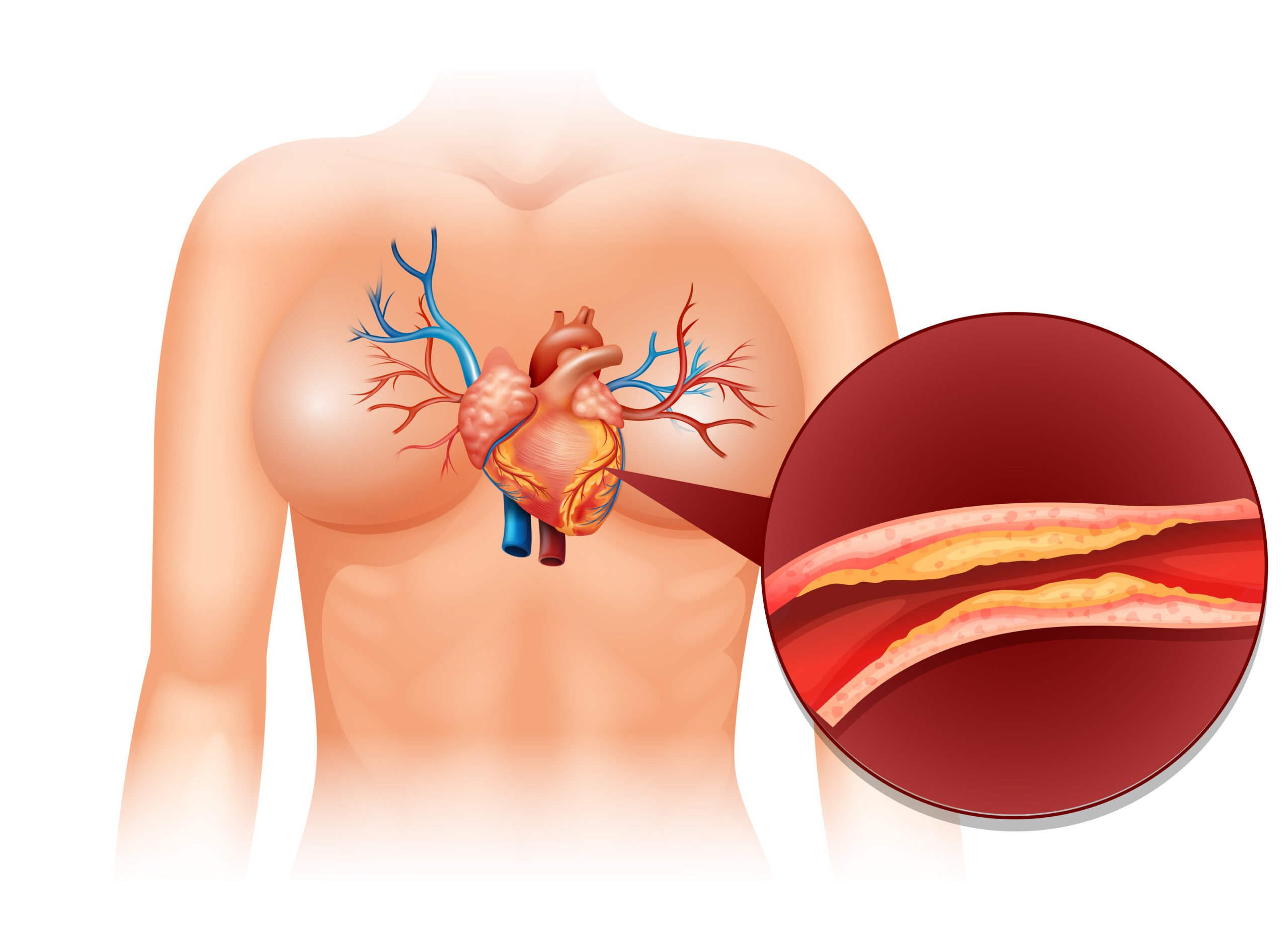
- Early coronary artery blockages, sometimes discovered only after a cardiac event
This is why cardiologists in Koramangala-area patients consult aren’t just treating heart attacks after they happen — they’re increasingly focused on catching risk factors early.
What Does a Cardiologist Specialist Doctor Actually Do?
A cardiologist is a physician who specializes in diagnosing, treating, and preventing diseases of the heart and blood vessels. But within cardiology, there are sub-specialities, and understanding them helps you know exactly what kind of top heart specialist doctor in Koramangala you need.
Interventional Cardiology
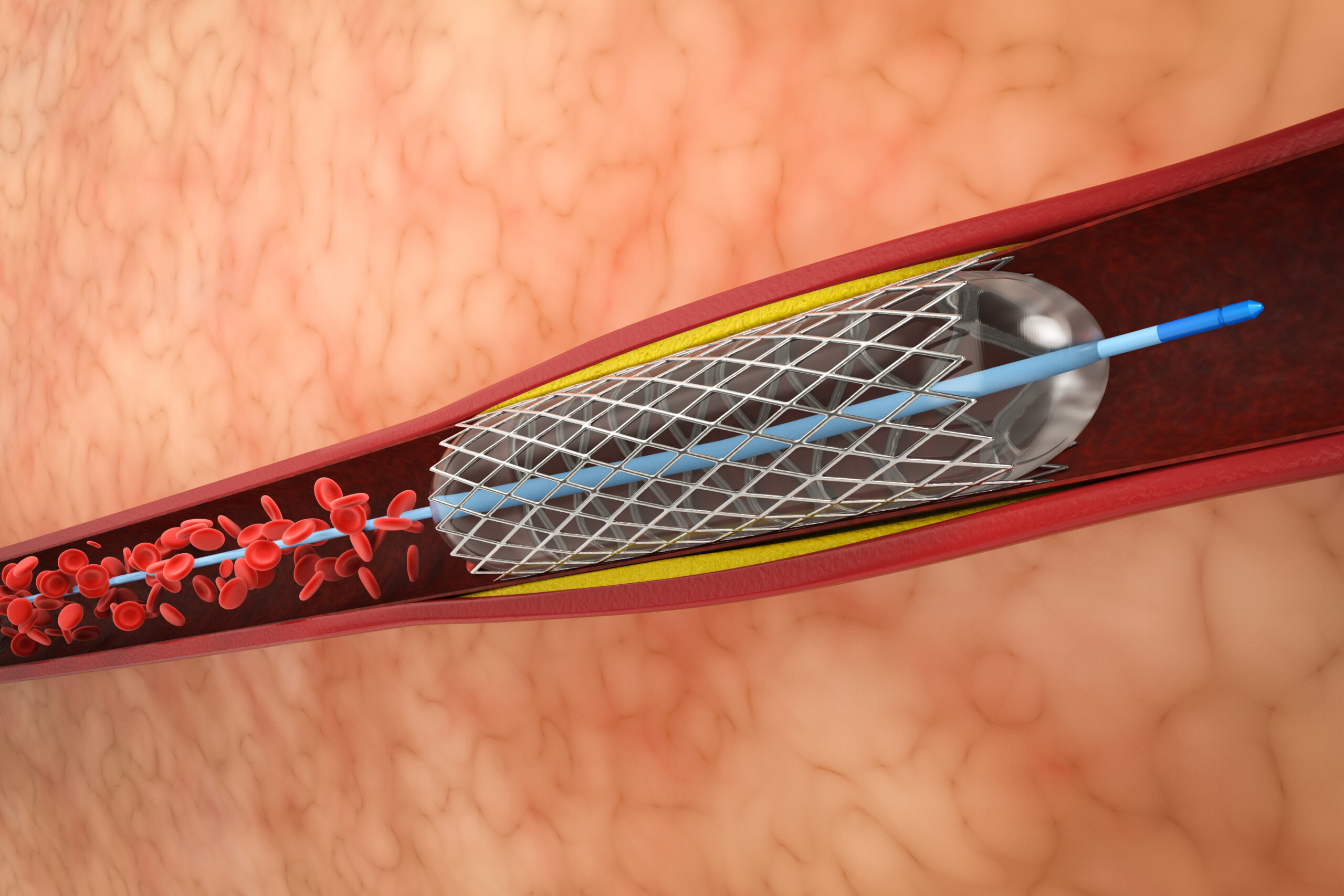
An interventional cardiologist performs procedures like angiography and angioplasty to open blocked arteries without open-heart surgery. If you’ve been told you may need angioplasty in Koramangala or nearby, an interventional cardiologist is the specialist you want — someone with high procedural volume and a strong safety record.
Electrophysiology
This sub-specialty deals with heart rhythm disorders — arrhythmias, palpitations, and the devices (like pacemakers) used to correct them.
Preventive and Clinical Cardiology
This is the everyday work of managing blood pressure, cholesterol, diabetes-linked heart risk, and lifestyle factors before they escalate into emergencies.
A well-rounded best cardiologists in Koramangala search should lead you to a doctor who is comfortable across all three areas — someone who can manage your day-to-day heart health and also step in decisively if you ever need an emergency procedure.
Common Reasons to See a Heart Specialist
You don’t need to wait for a crisis to consult a cardiologist. Here are situations where booking an appointment with a heart specialist in Koramangala makes sense.
1. Chest Pain or Discomfort
Chest pain in Koramangala patients report often gets dismissed as acidity, gas, or muscle strain — and sometimes it is exactly that. But chest pain is also the single most common warning sign of a cardiac event, so it should never be self-diagnosed. Warning signs that warrant urgent evaluation include:
- Pressure, tightness, or squeezing in the chest
- Pain radiating to the arm, jaw, neck, or back
- Chest discomfort accompanied by sweating, nausea, or breathlessness
- Symptoms triggered by exertion and relieved by rest (a classic sign of angina)
If any of these apply to you, don’t wait it out. See a heart attack doctor in Koramangala-accessible facility immediately.
2. Breathlessness or Fatigue
Unexplained shortness of breath — especially during activities that never used to bother you — can indicate anything from early heart failure to valve disease. This is one of the most under-reported symptoms because people attribute it to being “out of shape.”
3. Palpitations or Irregular Heartbeat
A racing, fluttering, or skipping heartbeat isn’t always dangerous, but it should always be evaluated, particularly if it’s frequent, prolonged, or accompanied by dizziness.
4. High Blood Pressure or Cholesterol
If your annual health check-up flagged elevated blood pressure or cholesterol, that’s your cue to consult a cardiologist rather than wait for symptoms to appear — because with heart disease, the first symptom is sometimes the last one.
5. Family History of Heart Disease
Genetics load the gun. Lifestyle pulls the trigger. If a parent or sibling had a heart attack, stroke, or was diagnosed with heart disease before age 55 (men) or 65 (women), you should be under the care of a cardiac evaluation specialist in Koramangala-accessible clinic well before you turn the same age they were.
6. Diabetes
Diabetes and heart disease are closely linked — so closely that cardiologists often refer to it as “cardio-diabetes.” If you’re diabetic, regular cardiac screening isn’t optional; it’s a core part of your care plan.
What to Expect During a Cardiac Consultation
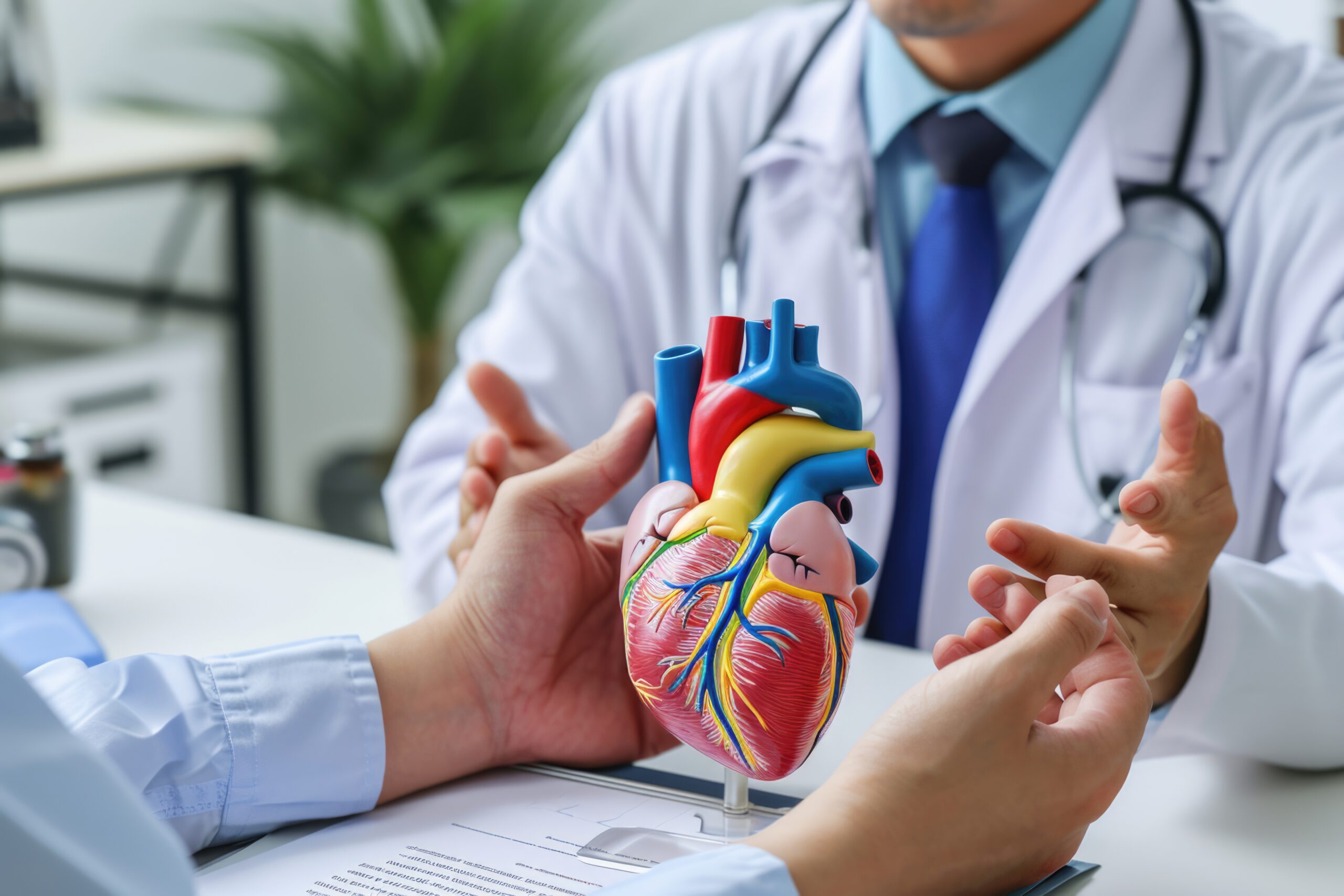
Walking into a cardiologist’s clinic for the first time can feel intimidating. Here’s a realistic breakdown of what typically happens.
Step 1: Detailed History and Risk Assessment
The doctor will ask about your symptoms, lifestyle, diet, family history, smoking/alcohol habits, and existing conditions like diabetes or hypertension.
Step 2: Physical Examination
Blood pressure check, pulse assessment, and auscultation (listening to the heart and lungs with a stethoscope) to check for murmurs or abnormal sounds.
Step 3: Diagnostic Tests
Depending on your symptoms, your doctor may recommend:
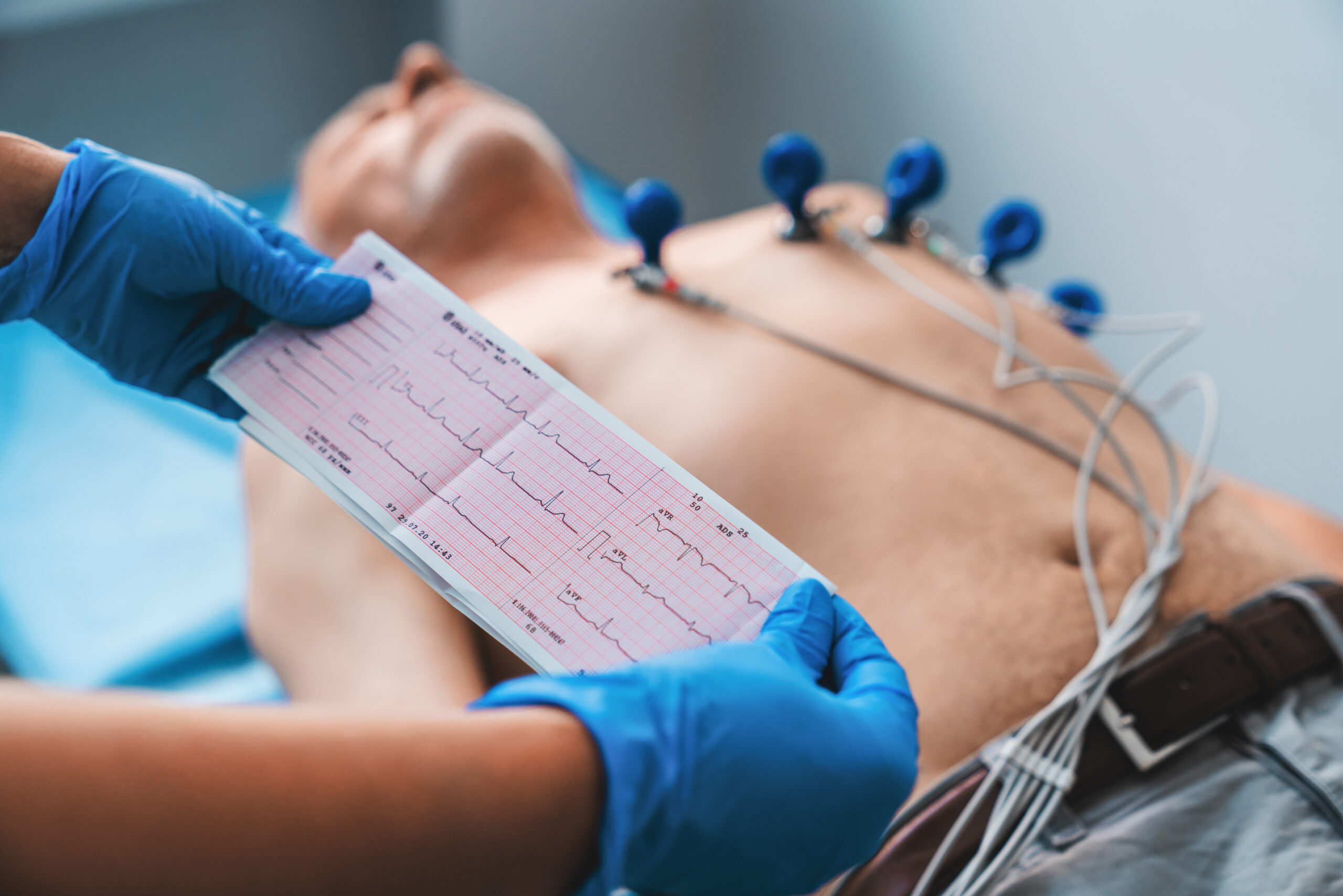
- ECG (Electrocardiogram) — records the heart’s electrical activity
- ECHO (Echocardiography) — an ultrasound of the heart to assess structure and function
- TMT (Treadmill Test) — evaluates how your heart performs under physical stress
- Coronary Angiography — a detailed imaging test to check for blockages
- Cardiac CT or MRI — for advanced structural imaging
- Holter Monitoring — continuous ECG recording over 24–48 hours to catch intermittent rhythm issues
Step 4: Diagnosis and Treatment Plan
Based on findings, your cardiologist will either reassure you, prescribe medication, recommend lifestyle changes, or — if a significant blockage is found — discuss procedural options like angioplasty or stenting.
Treatments Offered by a Top Cardiologist
A comprehensive cardiologist specialist doctor in Koramangala-serving practice should be equipped to manage the full spectrum of cardiac conditions, including:
Coronary Artery Disease and Angioplasty
When arteries are significantly blocked, angioplasty restores blood flow using a balloon catheter and, typically, a stent. Modern techniques like IVUS/OCT-guided stenting allow for greater precision and better long-term outcomes than older methods.
Heart Attack Management
Time is muscle. In a heart attack, every minute of delay in restoring blood flow increases the risk of permanent heart damage. A skilled heart attack doctor in Koramangala-accessible hospital can mean the difference between full recovery and long-term disability.
Heart Failure Management
Heart failure doesn’t mean the heart has stopped — it means it’s not pumping as efficiently as it should. A heart failure specialist in Koramangala-serving cardiologist will typically combine medication, lifestyle changes, and, in some cases, device therapy (like a pacemaker or CRT) to manage the condition long-term.
Arrhythmia and Device Implantation
Irregular heart rhythms may be managed with medication or, in more serious cases, devices like pacemakers or implantable cardioverter-defibrillators (ICDs).
Structural Heart Interventions
Non-surgical treatment of structural issues like ASD (atrial septal defect), PDA (patent ductus arteriosus), and valve disease.
Peripheral Vascular Care
Blockages aren’t limited to the heart — arteries in the limbs, carotid, and renal vessels can also narrow, requiring peripheral angioplasty or angiography.
Diet and Lifestyle Management
Every good cardiology practice treats diet and lifestyle as part of the actual treatment plan — not an afterthought. Nutrition counselling, stress management, and structured exercise guidance often prevent the need for more invasive treatment down the line.
How to Choose the Right Heart Specialist
With so many options, here’s what actually separates a good cardiologist from a great one.
Qualifications and Fellowships
Look for a cardiologist with an MD, DM in Cardiology, and international fellowships (such as FACC, FESC, or FSCAI) — these indicate training and recognition beyond the basic degree.
Procedural Experience
Ask how many angiographies and angioplasties the doctor has personally performed. High-volume interventional cardiologists tend to have better outcomes and faster complication recognition.
Hospital Infrastructure
A cardiologist is only as good as the hospital backing them. Cath labs, 24/7 emergency response, and ICU support are non-negotiable for anyone dealing with acute cardiac conditions.
Communication Style
The best cardiologists in Koramangala-area patients recommend most often aren’t just technically skilled — they explain conditions clearly, involve patients in decisions, and don’t rush consultations.
About Dr. M. Sudhakar Rao
Dr. M. Sudhakar Rao is a consultant interventional cardiologist practising at Manipal Hospital, Sarjapur Road, Bengaluru — a short, well-connected drive from Koramangala. He is a former Associate Professor at KMC Manipal and holds global fellowships (FACC, FESC, FSCAI), with over 10,000 coronary angiograms and 1,000+ primary angioplasties to his name.
Patients from Koramangala regularly travel to consult Dr. Rao for:
- Coronary angiography and angioplasty, including complex and radial-access procedures
- IVUS/OCT-guided stenting and primary PCI for heart attacks
- Pacemaker, ICD, and CRT implantation
- Structural and peripheral interventions
- Advanced cardiac imaging and heart failure management
- Preventive cardiology for diabetic patients
Learn more about Dr. Sudhakar Rao or explore his full range of cardiac treatments and services.
Frequently Asked Questions
1. When should I see a cardiologist instead of a general physician? If you experience chest pain, breathlessness, palpitations, or have risk factors like diabetes, high blood pressure, or a family history of heart disease, it’s best to see a cardiologist directly rather than waiting.
2. Is angioplasty a major surgery? No. Angioplasty is a minimally invasive procedure performed through a small puncture, usually in the wrist or groin, without the need for open-heart surgery. Most patients recover within a few days.
3. How often should I get a cardiac evaluation if I have no symptoms? If you’re over 40, diabetic, or have a family history of heart disease, an annual cardiac evaluation — including blood pressure, cholesterol, and an ECG — is recommended even without symptoms.
4. Can heart failure be managed without surgery? Yes, in many cases. Heart failure is often managed with medication, lifestyle changes, and regular monitoring. Devices or procedures are considered only when medical management isn’t enough.
5. What should I do if I suspect a heart attack? Call for emergency medical help immediately, chew an aspirin if advised and available, and get to a hospital with cath lab facilities as quickly as possible. Do not drive yourself.
6. Is chest pain always related to the heart? Not always — it can stem from acidity, muscle strain, or anxiety. However, because cardiac chest pain can be life-threatening, it should always be medically evaluated rather than self-diagnosed.
Take the First Step Toward a Healthier Heart
Your heart doesn’t get a second draft. Whether you’re dealing with symptoms today or simply want a proactive check-up, don’t wait for a crisis to take heart health seriously. Consult an experienced cardiologist specialist doctor in Koramangala residents trust for accurate diagnosis and evidence-based treatment.
Book a consultation with Dr. M. Sudhakar Rao today and take a confident step toward long-term heart health.