
There’s a specific kind of anxiety that comes from being told you need a procedure without fully understanding what it involves. Words like “angioplasty,” “stent,” or “device implantation” get used quickly in a consultation, often followed by consent forms and scheduling — leaving little room to actually process what’s about to happen to your body.
This guide walks through the most common cardiac procedures step by step: what each one is for, how it’s actually performed, and what recovery genuinely looks like. If you’ve been referred for angioplasty in Electronic City or you’re trying to understand a recommended procedure before committing, this should fill in the gaps a rushed consultation often leaves behind.
Coronary Angiography: Mapping the Problem First
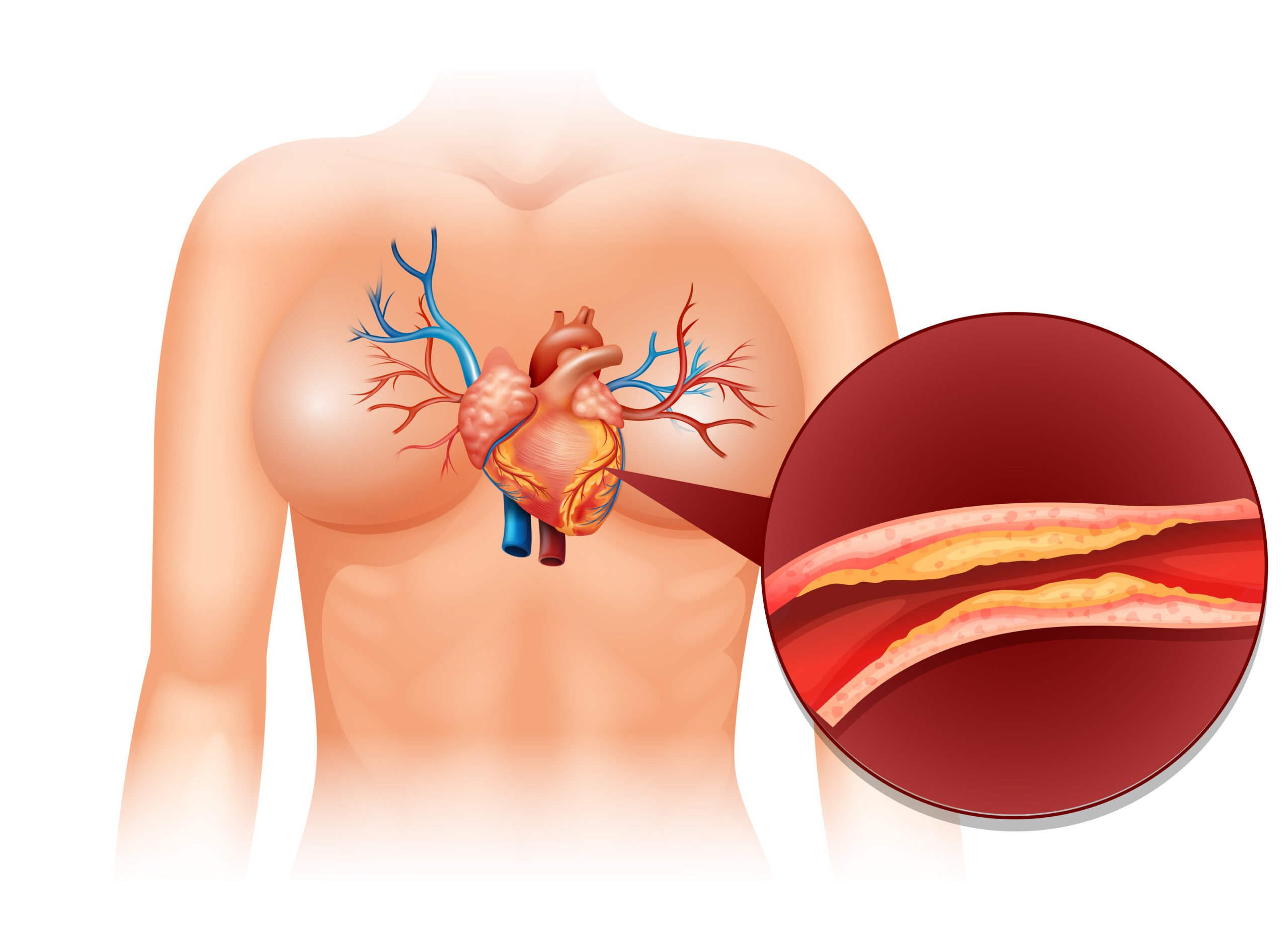
Before most treatment decisions are made, there’s usually a diagnostic procedure to confirm exactly what’s happening inside the arteries. Coronary angiography involves threading a thin catheter — typically through the wrist, sometimes the groin — up to the heart, injecting contrast dye, and capturing detailed X-ray images of the coronary arteries.
For anyone researching angiography in Electronic City, here’s what the actual experience typically looks like: local anesthesia numbs the access site, you remain awake throughout, and the procedure itself usually takes 30 to 45 minutes. Most patients go home the same day or after a short overnight observation. The result tells the cardiologist precisely where blockages exist and how severe they are — information that directly shapes whether the next step is medication, angioplasty, or something more involved.
Angioplasty and Stenting: Reopening the Artery
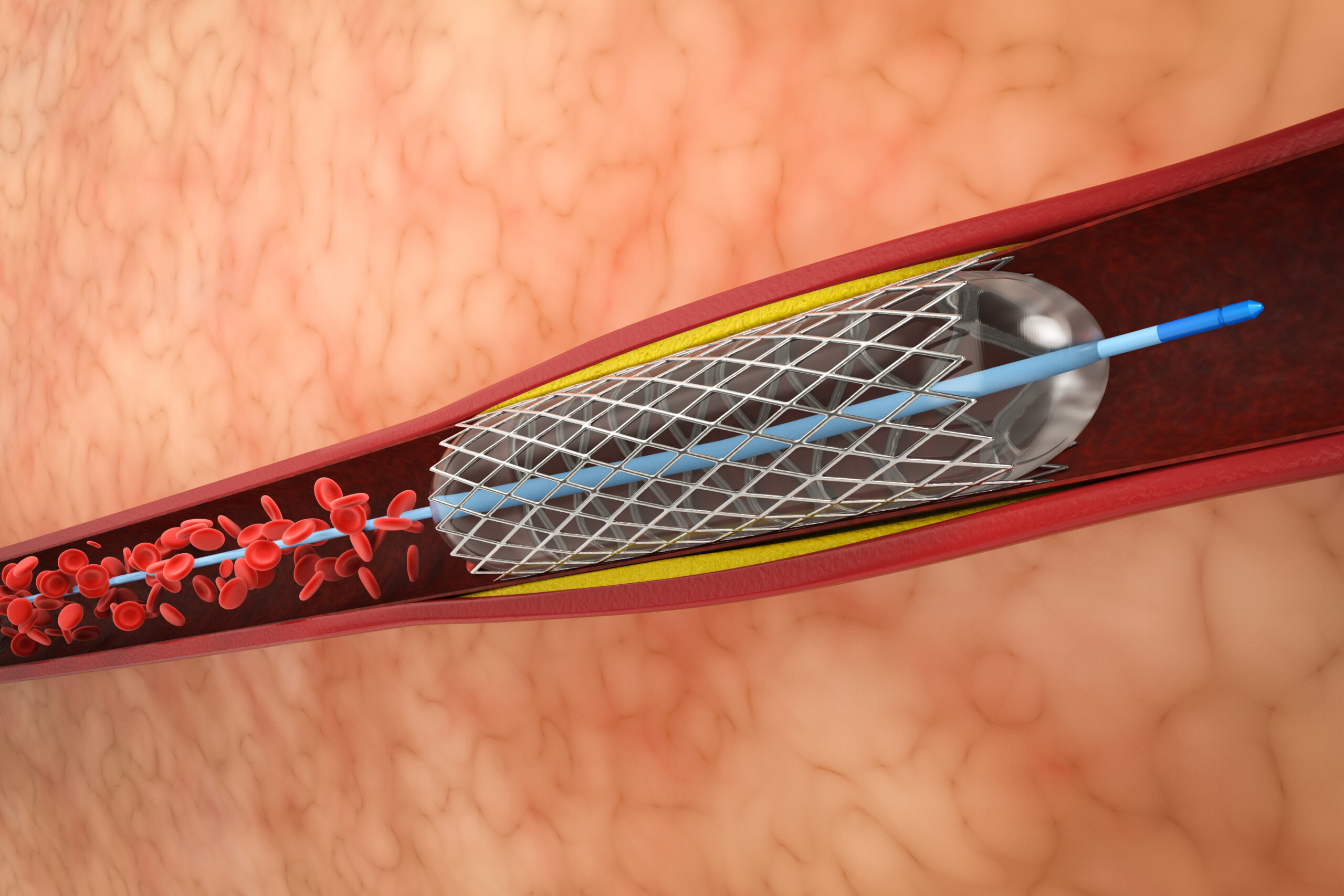
When angiography confirms a significant blockage, angioplasty is often the recommended treatment. A catheter with a small balloon is guided to the narrowed section of the artery, inflated to widen it, and in most cases, a stent — a small mesh scaffold — is left in place to keep the artery open.
Newer techniques have made this considerably more precise than it used to be. IVUS (intravascular ultrasound) and OCT (optical coherence tomography) let the cardiologist see the interior of the artery in far greater detail than X-ray imaging alone, improving how accurately the stent is placed. Radial access, through the wrist rather than the groin, has also become standard practice in many cases, generally reducing bleeding risk and shortening recovery.
What to actually expect during recovery:
- Discharge is typical within 24-48 hours for a routine, non-emergency procedure
- Light activity resumes within a few days
- Full normal activity generally returns within one to two weeks
- Blood-thinning medication is usually required for several months to prevent clotting at the stent site
- Follow-up visits confirm the stent is functioning as expected and monitor for any returning symptoms
Compared to open-heart surgery, angioplasty is considerably less invasive with a much shorter recovery period, which is why it’s become the default approach for most blockages that don’t require bypass.
Primary PCI: When Every Minute Counts
During an active heart attack, restoring blood flow as quickly as possible directly limits how much heart muscle is permanently damaged. Primary PCI is emergency angioplasty performed under exactly these time-pressured conditions, and it depends heavily on how prepared the receiving facility is — a cardiac team on call, a catheterization lab ready to go immediately, and a cardiologist experienced with high-stakes interventions.
This is one of the clearest cases where facility readiness matters just as much as individual skill. A specialist’s technical ability means little if the surrounding infrastructure can’t get a patient into the lab fast enough.
Pacemakers, ICDs, and CRTs: Correcting Rhythm Problems
Not every cardiac issue involves a blocked artery. When the heart’s electrical system misfires — beating too slowly, too erratically, or dangerously fast — implantable devices are often the answer rather than medication alone.
Pacemakers correct slow rhythms by delivering electrical signals that prompt regular beating. Implantation typically takes one to two hours under local anesthesia, with the device placed just under the skin near the collarbone.
ICDs (Implantable Cardioverter Defibrillators) continuously monitor heart rhythm and deliver a corrective shock if a dangerous arrhythmia occurs, primarily for patients at meaningful risk of sudden cardiac arrest.
CRTs (Cardiac Resynchronization Therapy devices) address specific heart failure cases where the heart’s chambers aren’t contracting in sync, helping the heart pump more efficiently overall.
Recovery is generally straightforward for all three — most patients go home within a day or two, with some temporary restriction on arm movement on the implanted side, followed by periodic device checks to confirm everything is functioning correctly.
Structural and Peripheral Procedures: Beyond the Coronary Arteries
Cardiologists also treat conditions involving the heart’s structure and blood vessels elsewhere in the body, often using similarly minimally invasive, catheter-based techniques:
- ASD/PDA closure: Closing congenital holes in the heart via catheter rather than open surgery
- Balloon Mitral Valvotomy (BMV): Widening a narrowed mitral valve using a balloon catheter
- Peripheral, carotid, and renal angioplasty: The same balloon-and-stent approach applied to arteries supplying the limbs, brain, or kidneys
These procedures generally require more specific subspecialty training than routine coronary work, which makes it worth directly asking about a cardiologist’s specific experience if this is the category of condition you’re facing.
Choosing a Specialist for Any of These Procedures
Since these treatments range from routine to genuinely complex, a few factors are worth confirming before committing to a specific specialist:
- Procedural volume — ask how many angiograms, angioplasties, or device implants they’ve personally performed, particularly for cases similar to yours
- Access to advanced imaging — IVUS and OCT-guided stenting offer meaningfully better precision than standard angioplasty alone
- Subspecialty depth — structural and peripheral work calls for more specific training than general coronary intervention
- Emergency readiness — for anything related to primary PCI, the facility’s round-the-clock catheterization lab access matters as much as the individual cardiologist’s skill
- Clear communication — a good specialist explains why a specific treatment is being recommended over the alternatives, rather than presenting it as the only path forward
Dr. M. Sudhakar Rao, a consultant interventional cardiologist practicing at Manipal Hospital, Sarjapur Road, brings over 15 years of experience, more than 10,000 coronary angiograms, and 1,000+ primary angioplasties to his practice — including IVUS/OCT-guided stenting, primary PCI for heart attacks, pacemaker and ICD implantation, and structural and peripheral interventions. His approach pairs procedural precision with a clear explanation of every step, so patients understand what’s happening and why, rather than simply being told what comes next.
For more on managing ongoing conditions and lifestyle factors, see the guides on managing chronic conditions like arrhythmia, valve disease, and hypertension, understanding cardiac diagnostic tests, diet and lifestyle management in Sarjapur, and diet and lifestyle management in Electronic City. For the original guide to common heart treatments, see this companion piece. And if you’re comparing care options by area, related guides are available for Koramangala, HSR Layout, Marathahalli, Bellandur, Sarjapur Road, and the original Electronic City specialist guide.
Frequently Asked Questions
How painful is angioplasty in Electronic City, and how long is the hospital stay?
Angioplasty is performed under local anesthesia and isn’t typically painful, though some pressure may be felt during the procedure. Most patients are discharged within 24-48 hours for routine cases.
What’s the actual difference between angiography and angioplasty?
Angiography is the diagnostic step that visualizes blockages using contrast imaging, while angioplasty is the treatment that follows if a significant blockage is confirmed, using a balloon and typically a stent to reopen the artery.
How is the decision made between a pacemaker and an ICD?
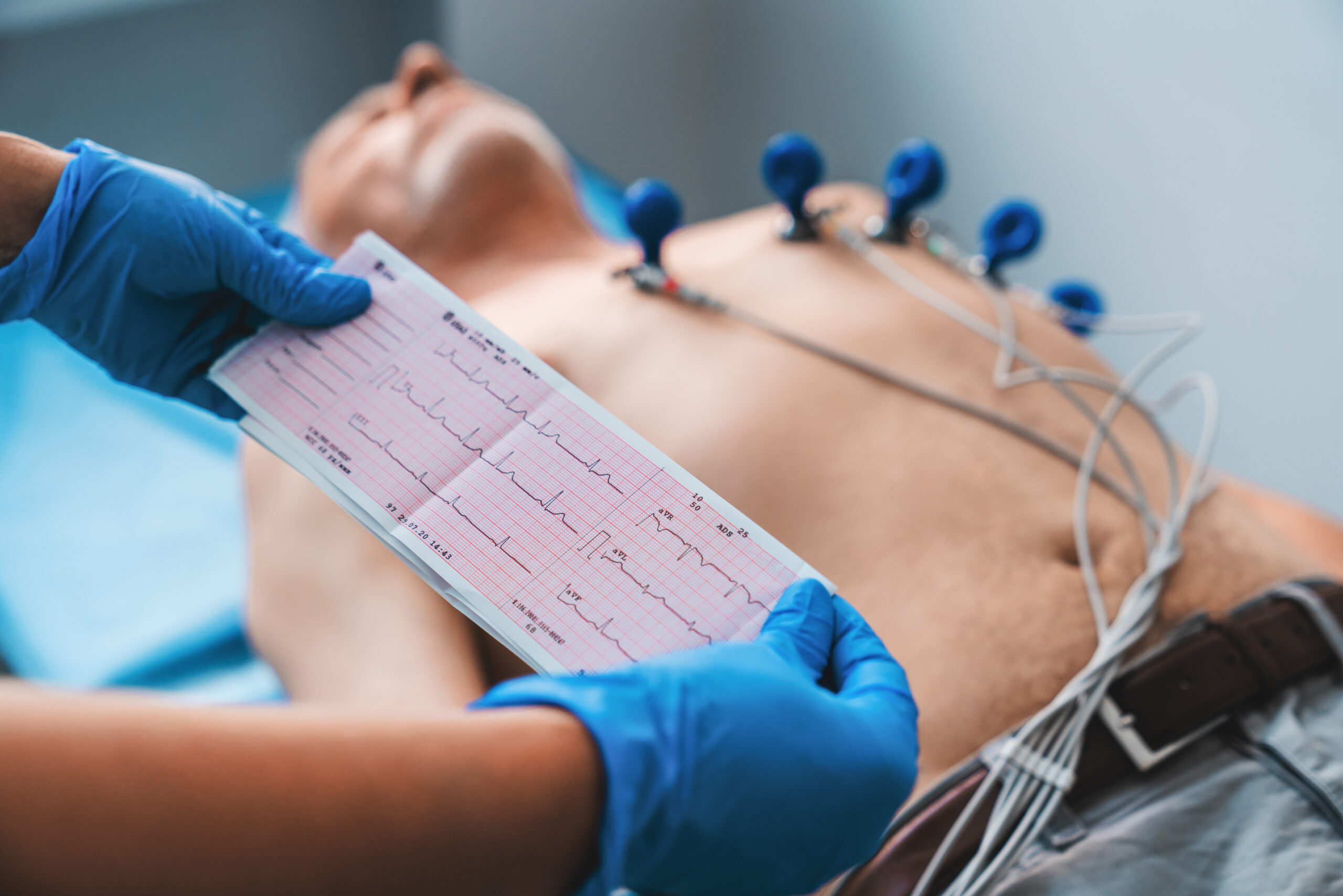
Pacemakers address slow heart rhythms, while ICDs are used for patients at risk of dangerous fast rhythms or sudden cardiac arrest. The choice depends on specific rhythm monitoring results and individual risk assessment.
Why does facility readiness matter so much for primary PCI?
During an active heart attack, restoring blood flow quickly directly limits permanent heart muscle damage, which is why round-the-clock catheterization lab availability is as critical as the cardiologist’s individual expertise.
Do structural procedures like ASD closure always require open-heart surgery?
Not usually. Many structural interventions, including ASD/PDA closure and balloon mitral valvotomy, are performed using catheter-based techniques, generally resulting in shorter recovery than open surgery.
How do I know if I need angioplasty in Electronic City versus ongoing medication?
This depends on the severity and pattern of your symptoms along with diagnostic test results. Medication is often tried first for less severe blockages, while angioplasty becomes necessary when symptoms aren’t adequately controlled or blockages are more significant.
Final Thoughts
Understanding what a recommended procedure actually involves — the steps, the recovery timeline, and the reasoning behind choosing it over alternatives — removes much of the uncertainty that comes with a cardiac diagnosis. Whether it’s a diagnostic angiogram, routine angioplasty, device implantation, or a more specialized structural procedure, the right specialist walks you through each stage clearly, turning an intimidating process into one that feels genuinely manageable.