Not every cardiac condition ends with a procedure. A large part of cardiology is managing conditions that don’t have a single fix — arrhythmias that come and go, valve disease that progresses slowly, blood pressure that needs constant fine-tuning, or diabetes that quietly raises cardiac risk over years. These conditions are treated differently than a blocked artery, and understanding that difference helps set realistic expectations for what “treatment” actually means.
This guide covers the major categories of ongoing cardiac treatment — what each involves, how it’s monitored, and what long-term management typically looks like. If you’re researching arrhythmia treatment in Sarjapur, managing high blood pressure, or trying to understand a valve condition, this should give you a clearer sense of the road ahead.
Angina: Managing Chest Pain Without Always Needing a Procedure
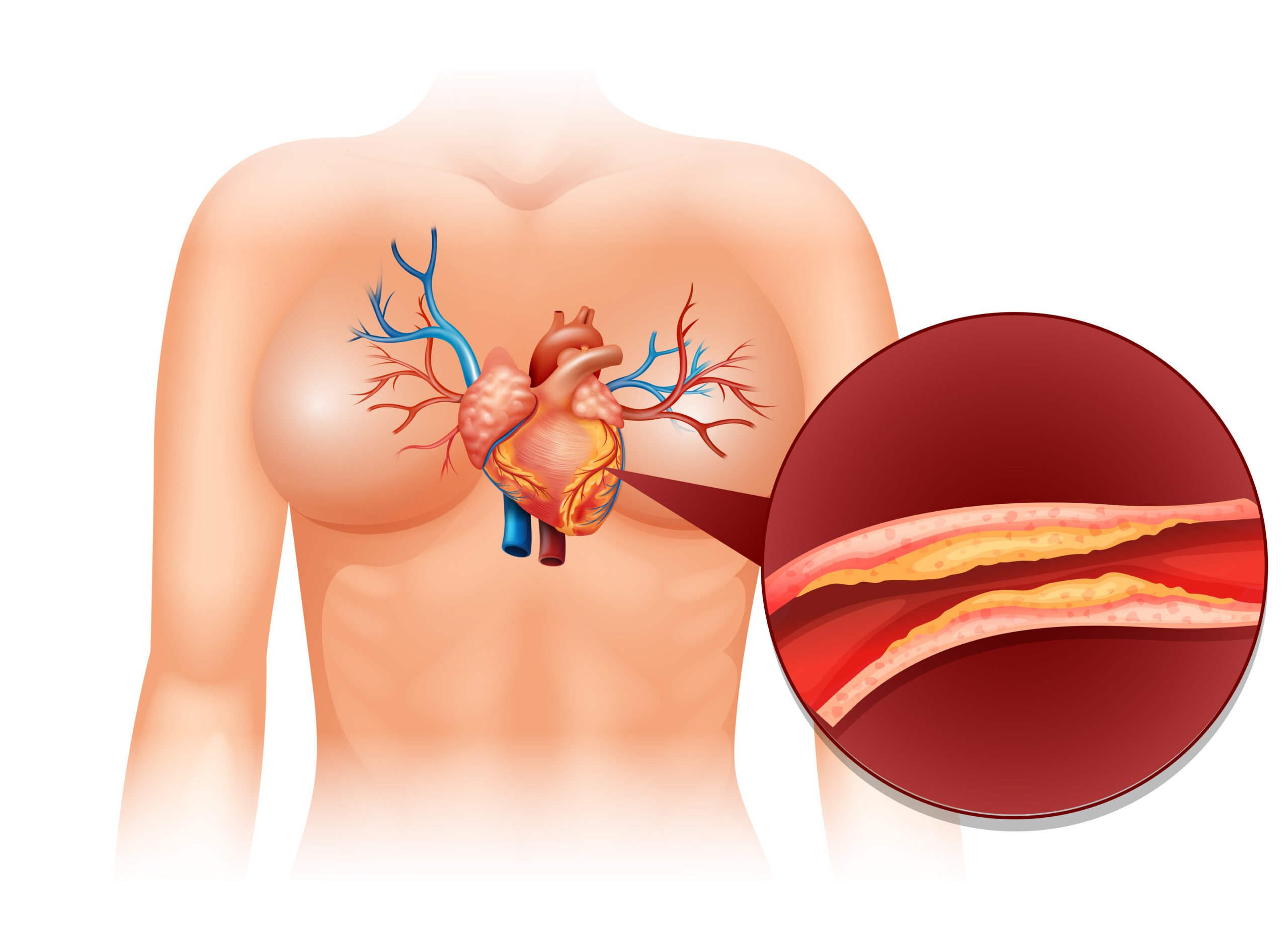
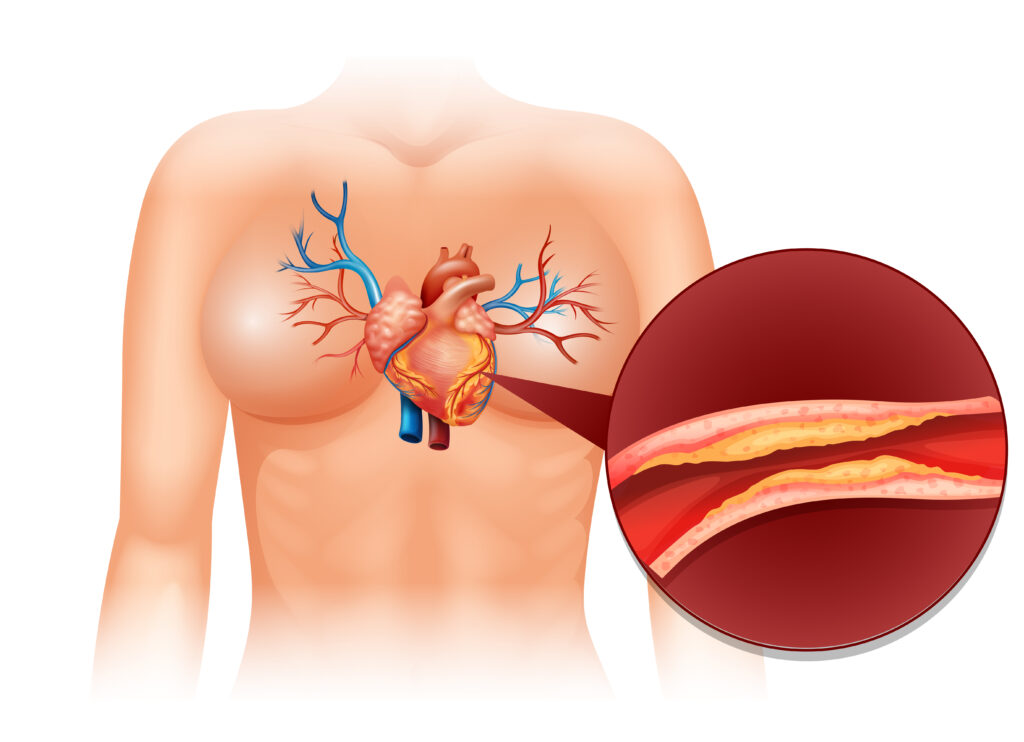
Angina — chest pain or discomfort caused by reduced blood flow to the heart — doesn’t always mean an artery needs to be opened immediately. Stable angina, where symptoms follow a predictable pattern (triggered by exertion, relieved by rest), is often managed initially with medication:
- Nitrates to relax blood vessels and improve blood flow
- Beta-blockers to reduce the heart’s oxygen demand
- Calcium channel blockers to relax arterial walls
- Antiplatelet medication to reduce clotting risk
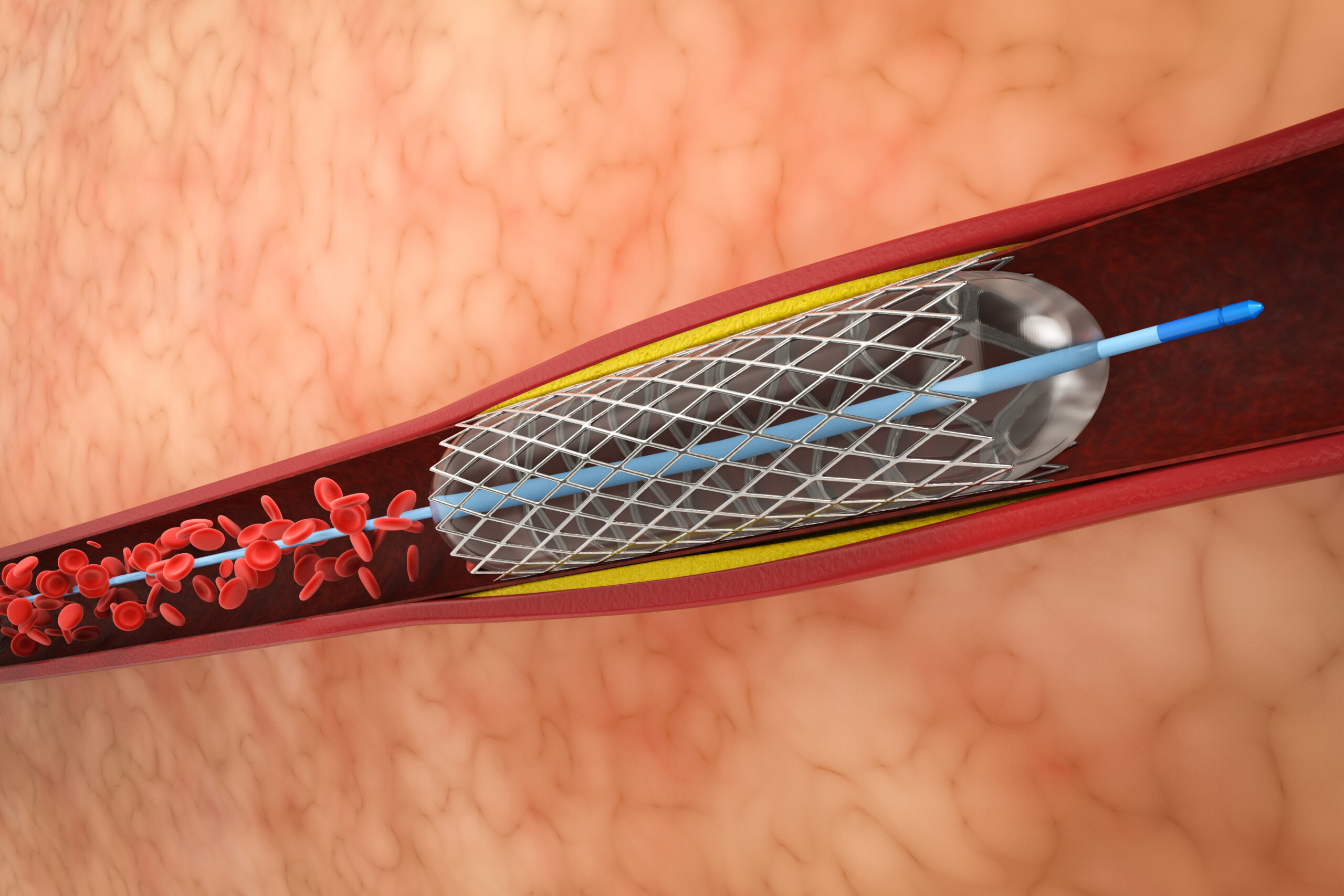
Angioplasty becomes necessary when medication alone isn’t controlling symptoms adequately, or when diagnostic tests reveal blockages severe enough to pose a higher risk. The decision between medication and intervention depends heavily on the severity and pattern of symptoms, which is why an accurate diagnostic workup matters before jumping to conclusions about what treatment is needed.
Arrhythmia Treatment: Managing an Irregular Heartbeat
Arrhythmias — irregular, too-fast, or too-slow heartbeats — range from harmless to genuinely dangerous, and treatment varies accordingly. For those exploring arrhythmia treatment in Sarjapur, options typically include:
- Medication: Anti-arrhythmic drugs to help regulate heart rhythm, often the first line of treatment for less severe or intermittent arrhythmias
- Cardioversion: A controlled electrical shock used to restore normal rhythm in certain cases, typically performed under sedation
- Catheter ablation: A minimally invasive procedure that targets and disables the specific tissue causing abnormal electrical signals
- Device implantation: Pacemakers for slow rhythms, or ICDs for patients at risk of dangerous fast rhythms
Diagnosis usually starts with an ECG, but since many arrhythmias are intermittent, Holter monitoring — tracking heart rhythm continuously over 24-48 hours — is often necessary to actually catch an episode and confirm what’s happening. Getting an accurate diagnosis of the specific type of arrhythmia matters enormously, since treatment approaches differ significantly between, say, atrial fibrillation and ventricular tachycardia.
Heart Valve Disease: Watching, Medicating, or Repairing
Heart valves can narrow (stenosis) or fail to close properly (regurgitation), and treatment depends heavily on severity and which valve is affected. For milder cases, heart valve treatment often starts with:
- Regular monitoring: Periodic echocardiograms to track how the condition is progressing
- Medication: To manage symptoms and reduce strain on the heart, though medication doesn’t fix the valve itself
When valve disease progresses to a point where it’s significantly affecting heart function, intervention becomes necessary. Options range from minimally invasive catheter-based procedures — like balloon mitral valvotomy for a narrowed mitral valve — to valve repair or replacement, depending on the specific valve and severity involved. The key point for anyone managing early-stage valve disease is that regular monitoring, not immediate intervention, is often the appropriate first step — but skipping those follow-up echocardiograms is exactly how a manageable condition can progress unnoticed.
High Blood Pressure and Cholesterol: The Long Game
Unlike a blocked artery or a valve problem, high blood pressure and high cholesterol rarely produce noticeable symptoms — which is exactly why they’re often called silent risk factors. Left unmanaged, they steadily damage arteries over years, setting the stage for more serious conditions down the line.
Treatment typically combines:
- Medication: Antihypertensives to control blood pressure, statins or other lipid-lowering drugs to manage cholesterol
- Dietary changes: Reducing sodium, saturated fat, and processed foods
- Regular monitoring: Periodic blood pressure and lipid panel checks to confirm treatment is working and adjust dosages as needed
- Weight and activity management:
Both blood pressure and cholesterol respond meaningfully to sustained lifestyle changes, alongside medication
The challenge with these conditions isn’t usually the treatment itself — it’s consistency. Since symptoms are absent, it’s easy to skip medication or follow-ups once you’re feeling fine, which is precisely when silent damage tends to progress.
Cardio-Diabetes: Managing Two Conditions That Compound Each Other
Diabetes and heart disease are closely linked — elevated blood sugar damages blood vessels over time, and cardiovascular risk factors often cluster together in the same patients. Managing this overlap, sometimes called cardio-diabetes care, requires coordination between cardiac and metabolic treatment:
- Blood sugar control: Since poorly controlled diabetes accelerates arterial damage, tight glucose management is a core part of reducing cardiac risk
- Cardiac risk monitoring: Patients with diabetes typically need more frequent cardiac screening, since diabetes can mask typical symptoms like chest pain (a phenomenon called “silent ischemia”)
- Coordinated medication: Certain diabetes medications now have demonstrated cardiovascular benefits, making medication choice a joint consideration between cardiac and metabolic goals
- Lifestyle management: Diet and exercise changes that benefit both blood sugar control and cardiac health simultaneously
This overlap is exactly why a cardiologist experienced in cardio-diabetes management brings real value beyond routine cardiac care — the two conditions genuinely need to be managed together, not as separate, disconnected treatment plans.
Diet and Lifestyle as an Active Part of Treatment
Across nearly every condition covered above, diet and lifestyle management isn’t a side recommendation — it’s an active component of treatment that works alongside medication and procedures:
- Sodium reduction: Directly impacts blood pressure and fluid retention, particularly relevant for heart failure and hypertension
- Balanced macronutrients: Reducing processed carbohydrates and unhealthy fats supports both cholesterol and blood sugar management
- Consistent physical activity: Roughly 150 minutes of moderate exercise weekly, adjusted to what’s safe for your specific condition
- Sleep quality: Poor sleep is linked to elevated blood pressure and arrhythmia risk
- Stress management: Chronic stress elevates cortisol and blood pressure, compounding strain on the cardiovascular system
A cardiologist who treats lifestyle counseling as integral to the treatment plan — rather than a generic add-on — tends to produce better outcomes across all of these chronic conditions over the years that follow diagnosis.
Why Consistent Monitoring Matters More Than Any Single Treatment
The common thread across angina, arrhythmia, valve disease, hypertension, cholesterol, and cardio-diabetes is that none of them are “fixed” with a single treatment and then forgotten. Each requires:
- Regular follow-up appointments to track progression
- Periodic diagnostic tests (ECG, echocardiogram, blood panels) to confirm treatment is working
- Medication adjustments as the condition or the patient’s circumstances change
- Open communication about new or worsening symptoms between visits
This is where continuity of care with a single, consistent specialist becomes genuinely valuable — someone who understands your specific history, rather than starting from scratch at every visit.
Dr. M. Sudhakar Rao, a consultant interventional cardiologist practicing at Manipal Hospital, Sarjapur Road, brings over 15 years of experience managing the full range of chronic cardiac conditions, including angina, arrhythmia, heart valve disease, hypertension, cholesterol management, and cardio-diabetes care — alongside his procedural expertise in angioplasty, device implantation, and structural interventions. His approach emphasizes ongoing monitoring and clear communication, recognizing that most cardiac conditions are managed over years, not resolved in a single visit.
For more on specific procedures, see the companion guide on angioplasty, angiography, and device implantation. If you’re comparing care options by area, related guides are also available for Koramangala, HSR Layout, Marathahalli, Bellandur, Electronic City, and Sarjapur Road.
Frequently Asked Questions
Does angina always require angioplasty?
No. Stable angina is often managed initially with medication, and angioplasty becomes necessary only if symptoms aren’t controlled adequately or diagnostic tests reveal severe blockages.
What’s the best way to get arrhythmia treatment in Sarjapur if my symptoms come and go?
Since intermittent arrhythmias are easy to miss on a single ECG, Holter monitoring over 24-48 hours is typically needed to actually catch an episode and confirm the specific type before deciding on treatment.
Can heart valve disease be managed without surgery?
In many mild to moderate cases, yes — regular monitoring with periodic echocardiograms and medication to manage symptoms is often sufficient until the condition progresses to a point where intervention is genuinely needed.
Why is cardio-diabetes treated differently from regular heart disease management?
Diabetes accelerates arterial damage and can mask typical symptoms like chest pain, so patients with both conditions typically need more frequent cardiac screening and coordinated medication choices that address both issues together.
How often should blood pressure and cholesterol be monitored once treatment starts?
This varies by individual risk profile, but periodic checks — often every few months initially, then less frequently once stable — are typical to confirm medication is working and adjust dosages as needed.
Is lifestyle management enough to treat these chronic conditions without medication?
For early-stage or mild cases, lifestyle changes can meaningfully improve outcomes. However, for more established conditions, medication is usually still necessary alongside lifestyle changes, not as a replacement for them.
Final Thoughts
Chronic cardiac conditions don’t resolve with a single visit or procedure — they require ongoing attention, consistent monitoring, and a treatment plan that adapts as circumstances change. Whether it’s angina, arrhythmia, valve disease, blood pressure, cholesterol, or cardio-diabetes, the specialists who deliver the best long-term outcomes are the ones who treat these as active, evolving conditions rather than boxes to check off after a single consultation.