
Cardiologist Specialist Doctor in Electronic City
Electronic City is home to one of Bengaluru’s largest concentrations of IT professionals — long shifts, rotating schedules, high-pressure deadlines, and a daily commute that can eat hours out of the day. It’s a demanding environment, and it’s also exactly the kind of environment that quietly raises cardiovascular risk over time. If you’ve searched for a cardiologist specialist doctor in Electronic City, you’re likely dealing with a symptom that’s worrying you, a risk factor you already know about, or simply the sense that it’s time to get your heart health checked properly instead of guessing.
This guide covers when to see a cardiologist, what a full cardiac evaluation actually involves, and how to choose a cardiologist in Electronic City professionals can trust — including Dr. M. Sudhakar Rao, an interventional cardiologist many Electronic City patients travel across the city to consult.
Why Heart Health Deserves Attention in Electronic City
Electronic City’s workforce skews young and career-focused, which creates a specific — and often underestimated — risk profile.
Desk-Bound Lifestyles and Rising Risk
Long hours at a workstation, minimal walking, and back-to-back video calls add up. Cardiologists across Bengaluru are increasingly seeing:
- Hypertension in patients in their late 20s and 30s
- Elevated cholesterol tied to inactivity and convenience food
- Early insulin resistance and diabetes, both major cardiac risk multipliers
- Stress- and sleep-deprivation-linked arrhythmias
- Coronary artery narrowing detected only incidentally, during an unrelated check-up
If any of this sounds familiar, a cardiac evaluation specialist in Electronic City-serving practice, like the one detailed on this cardiac evaluation page, should be part of your annual routine — not something you get to eventually.
The Commute and Shift-Work Factor
Many Electronic City residents work in shift-based environments, particularly those supporting global teams. Disrupted sleep cycles are strongly linked to hypertension and metabolic disturbances, both of which compound cardiac risk over years, often silently. Combined with the daily commute stress of Hosur Road and NICE Road traffic, this makes Electronic City a locality where proactive cardiac screening carries real, measurable value.
What a Cardiologist Actually Covers
Cardiology isn’t limited to treating heart attacks after they happen. A capable best cardiologists in Electronic City search should lead you to a specialist who manages the full range of heart and vascular conditions.
Coronary Artery Disease
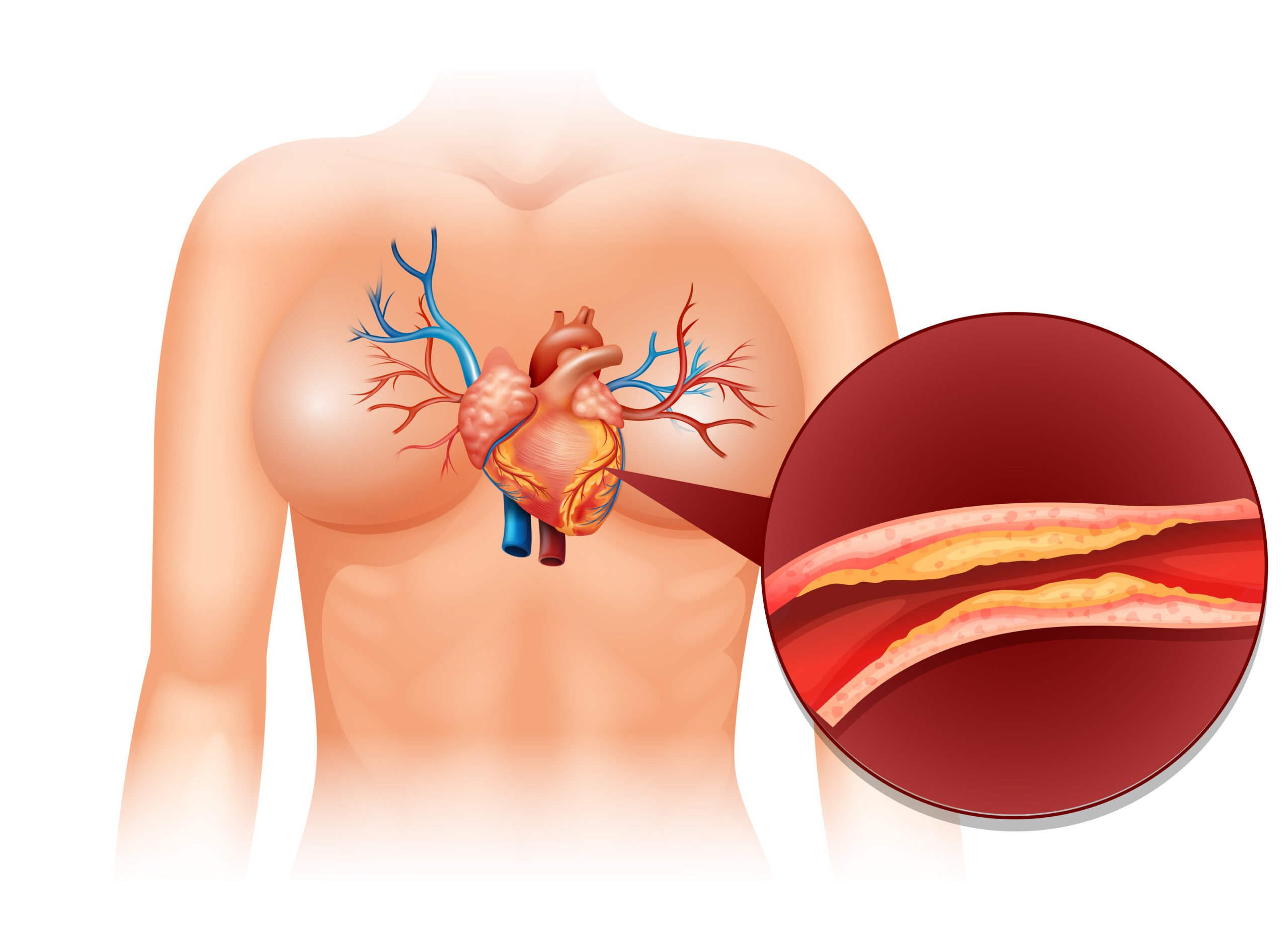
Narrowing or blockage of the arteries feeding the heart muscle — the underlying cause of most heart attacks, and the condition most often treated with coronary angioplasty or coronary angiography.
Arrhythmias
Irregular heartbeats ranging from harmless to serious, sometimes requiring evaluation via Holter monitoring and treatment detailed on the arrhythmia and irregular heartbeat page.
Heart Failure
A gradual decline in the heart’s pumping efficiency, managed long-term — see the full approach on the heart failure treatment page.
Valve Disease
Congenital or age-related valve issues, covered under heart valve disease treatment.
Hypertension, Cholesterol, and Cardio-Diabetes
The most common referral reasons in cardiology, and the risk factors most within a patient’s control — see high blood pressure treatment, high cholesterol treatment, and cardio-diabetes management.
Signs You Shouldn’t Ignore
Chest Pain or Pressure
A chest pain specialist in Electronic City-serving cardiologist will always give you the same advice: don’t self-diagnose. Chest discomfort is often something harmless — but it’s also the single most common warning sign of a cardiac event. Seek urgent evaluation for:
- Tightness, pressure, or squeezing in the chest
- Discomfort radiating to the jaw, neck, back, or left arm
- Chest symptoms combined with sweating, nausea, or breathlessness
- Pain triggered by exertion and relieved by rest — read more on the angina treatment page
Breathlessness That’s New
If everyday activity leaves you more winded than it used to, that’s worth investigating — not dismissing as being out of practice.
Palpitations
Occasional flutters are usually benign, but frequent, prolonged, or dizziness-linked palpitations warrant an ECG and, often, extended rhythm monitoring.
Uncontrolled Blood Pressure or Cholesterol
A flagged reading on a routine health check isn’t something to revisit “next year” — it’s a cue to book a proper evaluation now.
Family History
If a parent or sibling had a cardiac event before 55 (men) or 65 (women), your own risk profile shifts earlier too — proactive screening should start ahead of that age, not after.
Diabetes
Diabetes roughly doubles cardiovascular risk, which is why cardiac screening should be a standing part of diabetes management, not an occasional afterthought.
What Happens During a Cardiology Consultation
Step 1: History and Risk Assessment
A detailed conversation covering symptoms, lifestyle, diet, sleep patterns, family history, and existing conditions.
Step 2: Physical Examination
Blood pressure check, pulse assessment, and a stethoscope exam for murmurs or abnormal heart and lung sounds.
Step 3: Diagnostic Testing
Depending on your presentation, your heart doctor in Electronic City-accessible specialist may recommend:
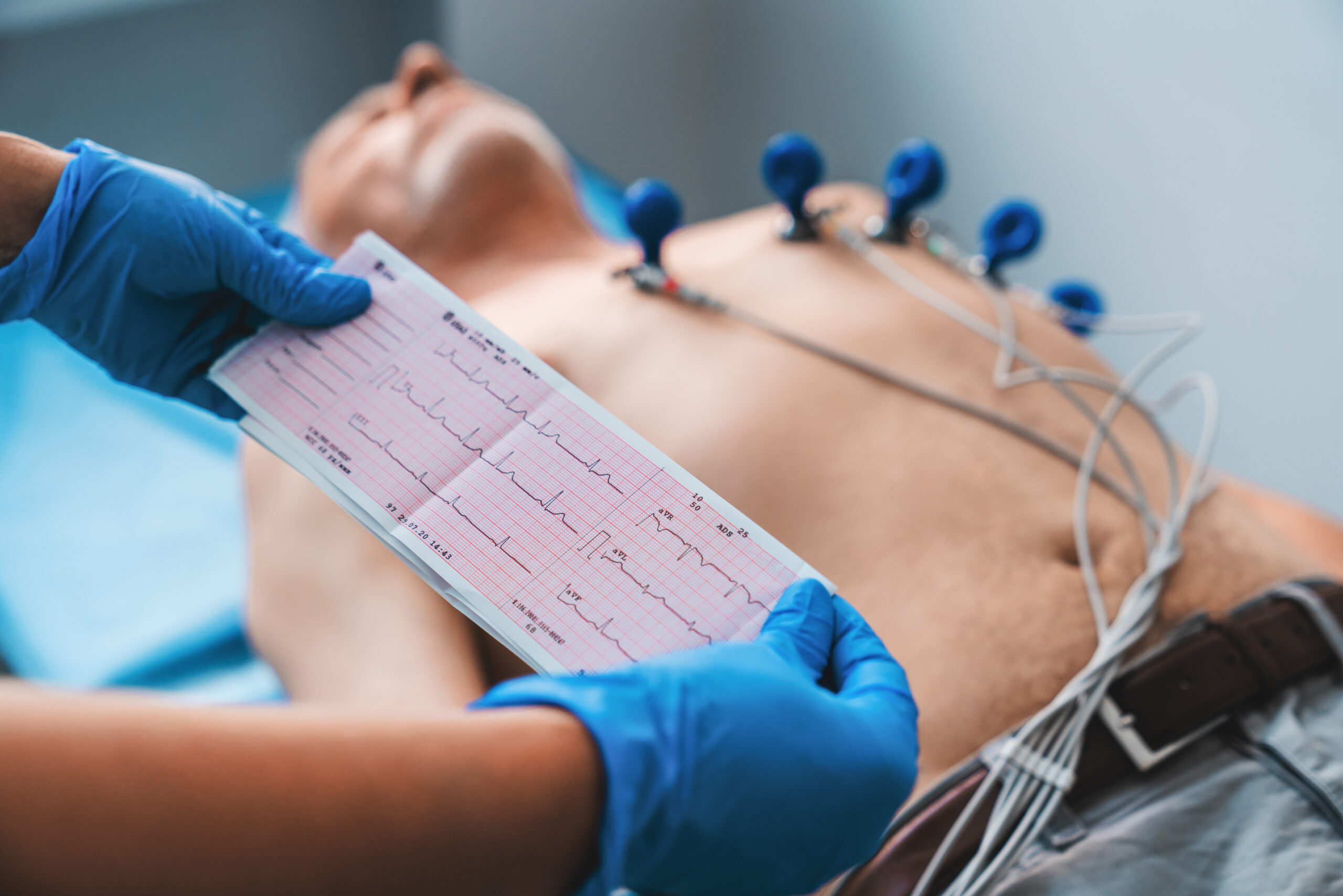
- ECG — records the heart’s electrical activity
- ECHO — ultrasound imaging of heart structure and function
- TMT (Treadmill Test) — evaluates cardiac performance under exertion
- Holter monitoring — continuous rhythm tracking over 24–48 hours
- Coronary angiography — detailed imaging to detect blockages
- Cardiac MRI or Cardiac CT scan — advanced structural imaging
Step 4: Diagnosis and Treatment Planning
Results determine the next step — reassurance, medication, lifestyle changes, or a discussion of procedural treatment where a significant blockage or structural issue is found.
Treatment Options a Top Cardiologist Should Offer
Angioplasty and Stenting
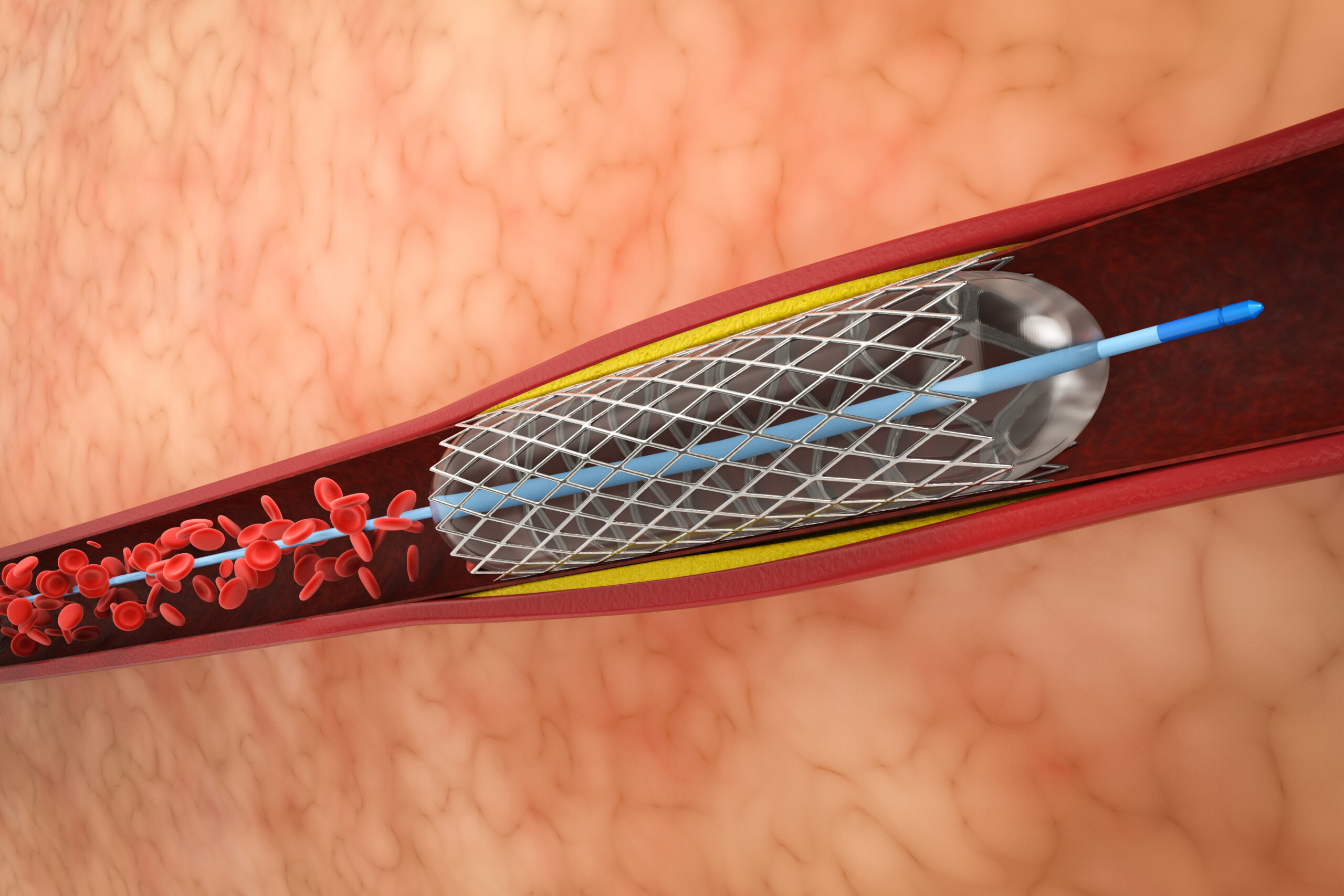
Angioplasty in Electronic City-serving hospitals is typically performed via a catheter-based balloon and stent to reopen blocked arteries, without the need for open-heart surgery. Full details on both coronary angioplasty and peripheral angioplasty are on the treatments pages.
Heart Attack Care
A heart attack doctor in Electronic City-accessible hospital needs one thing above all: speed. Restoring blood flow quickly limits permanent heart damage, which is why 24/7 cath lab access and an experienced interventional team matter as much as the diagnosis itself.
Heart Failure Management
Managed through medication, sodium-restricted diet, and structured monitoring — see the full heart failure treatment approach, with devices reserved for cases where medical management isn’t enough on its own.
Rhythm Disorders and Device Therapy
Pacemakers and ICDs correct or support abnormal heart rhythms when medication alone isn’t sufficient.
Structural and Peripheral Interventions
Structural heart interventions and peripheral vascular procedures address issues beyond the heart itself — limb, carotid, and renal artery blockages, and congenital defects like ASD or PDA.
Diet, Lifestyle, and Long-Term Prevention
Medication and procedures address the acute problem; long-term heart health depends just as much on structured guidance — see how diet and lifestyle management is built into the treatment plan, and read more in this blog post on diet and lifestyle as part of the treatment plan.
How to Choose the Right Heart Specialist
Qualifications Beyond the Basic Degree
Look for an MD, DM in Cardiology, plus international fellowships such as FACC, FESC, or FSCAI — evidence of training and recognition beyond standard certification. You can review Dr. Sudhakar Rao’s fellowships and memberships here.
Procedural Volume
For anyone who may eventually need angioplasty or a device implant, a cardiologist’s personal case volume is a meaningful indicator of both skill and complication-handling experience. See awards and achievements and publications for a sense of ongoing clinical engagement.
Hospital Infrastructure
Confirm access to a cath lab, ICU support, and round-the-clock emergency response — non-negotiable for anyone managing acute cardiac risk.
Real Patient Experience
A top heart specialist doctor in Electronic City patients recommend should have a track record you can actually verify — read patient stories here for first-hand accounts of diagnosis and treatment.
About Dr. M. Sudhakar Rao
Dr. M. Sudhakar Rao is a consultant interventional cardiologist practising at Manipal Hospital, Sarjapur Road, Bengaluru. He is a former Associate Professor at KMC Manipal and holds international fellowships (FACC, FESC, FSCAI), with over 10,000 coronary angiograms and 1,000+ primary angioplasties performed over his career. While Electronic City sits on the opposite side of the city, a number of patients make the trip specifically for his expertise in complex coronary and structural interventions.
Patients from Electronic City consult Dr. Rao for:
- Coronary angiography and angioplasty, including complex and radial-access procedures
- IVUS/OCT-guided stenting and primary PCI for heart attacks
- Pacemaker, ICD, and CRT implantation
- Structural and peripheral vascular interventions
- Advanced cardiac imaging and heart failure management
- Preventive cardiology for diabetic and high-risk patients
Learn more about Dr. Sudhakar Rao, browse the full treatments overview, or read more articles on the blog, including managing long-term heart conditions.
Frequently Asked Questions
1. Is it worth travelling from Electronic City for a cardiology consultation elsewhere in the city?
For routine check-ups, many patients prefer a closer option. For complex coronary or structural procedures, the experience and case volume of the specialist often matters more than distance — worth weighing against your specific condition.
2. Is chest pain always related to the heart?
Not always — it can stem from acidity, muscle strain, or anxiety. But because cardiac chest pain can be life-threatening, it should always be medically evaluated rather than self-diagnosed. See the angina treatment page for more.
3. Is angioplasty a major surgery?
No. It’s a minimally invasive procedure performed through a small puncture, usually in the wrist or groin, without open-heart surgery. Most patients recover within a few days.
4. How often should I get a cardiac evaluation if I have no symptoms?
If you’re over 40, diabetic, or have a family history of heart disease, an annual evaluation — blood pressure, cholesterol, and an ECG at minimum — is recommended even without symptoms.
5. Can heart failure be managed without surgery? Yes, in many cases. It’s often managed with medication, lifestyle changes, and regular monitoring, with devices or procedures considered only when medical management alone isn’t enough.
6. What should I do if I suspect a heart attack?
Call for emergency medical help immediately, and get to a hospital with cath lab facilities as quickly as possible. Do not attempt to drive yourself.
Book Your Consultation Today
Heart disease is far easier to manage when caught early — and far more dangerous when it isn’t. If you’re in Electronic City and experiencing symptoms, managing existing risk factors, or simply due for a check-up, don’t wait for a crisis to take your heart health seriously.
Book a consultation with Dr. M. Sudhakar Rao today.
Book an Appointment | Call Now: +91 99025 47712 | Contact Us