
introduction
Heart disease does not announce itself with a dramatic warning. Most of the time, it builds quietly — a little breathlessness climbing stairs, mild chest discomfort after a meal, occasional palpitations that seem easy to ignore. By the time many patients finally walk into a cardiologist’s clinic, months or even years of early warning signs have already passed unnoticed.
For residents living in and around the rapidly growing southeastern corridor of Bangalore, access to a qualified cardiac specialist has never been more important — or more convenient. This guide is for anyone who has been putting off that cardiology appointment, is unsure what to expect, or simply wants to make a more informed choice about their heart health.
Why Cardiac Care Cannot Wait
The heart is the only organ in your body that works every second of every day without rest. It beats approximately 100,000 times in a single day, pumping roughly 7,500 litres of blood through your system. Given that workload, even minor inefficiencies — a slightly irregular rhythm, a partially blocked artery, early valve stiffness — can have serious consequences if left unaddressed.
India now carries one of the highest burdens of cardiovascular disease in the world. Studies consistently show that Indians tend to develop heart disease almost a decade earlier than Western populations, often due to genetic predisposition combined with lifestyle factors like high-stress work environments, sedentary habits, and diets heavy in refined carbohydrates and saturated fats.
The good news is that most serious cardiac events — heart attacks, strokes, heart failure episodes — are largely preventable when risk factors are identified and managed early. This is exactly why seeing a cardiologist specialist doctor in Sarjapur sooner rather than later is one of the most proactive health decisions you can make.
Who Is a Cardiologist and What Do They Actually Do?
Many people confuse a general physician with a cardiologist. A general physician or internist is trained to manage a wide range of conditions and is often your first point of contact for health concerns. A cardiologist, on the other hand, has completed an additional 3 to 6 years of specialised training focused entirely on the heart and blood vessels.
Within cardiology itself, there are further subspecialties:
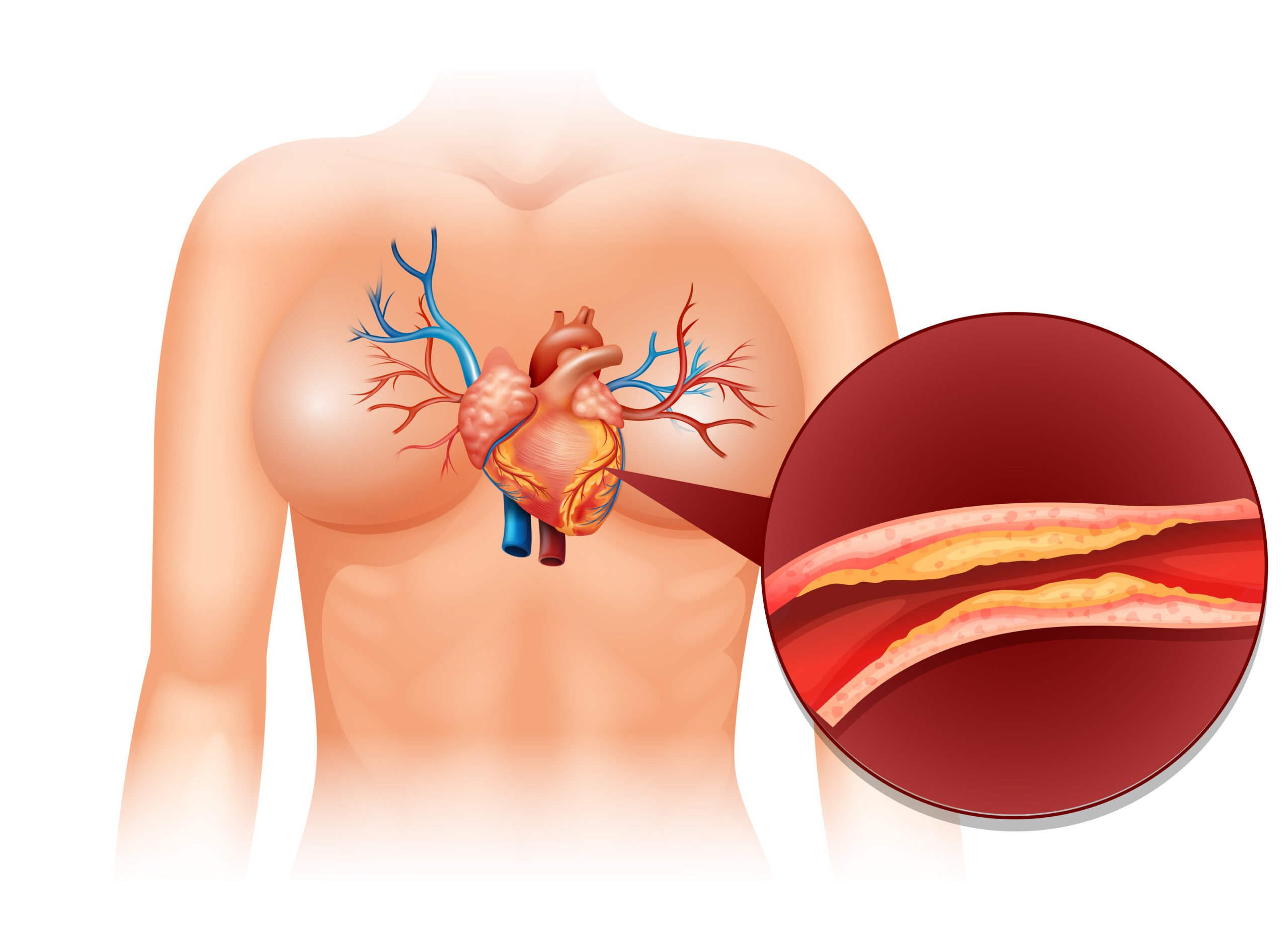
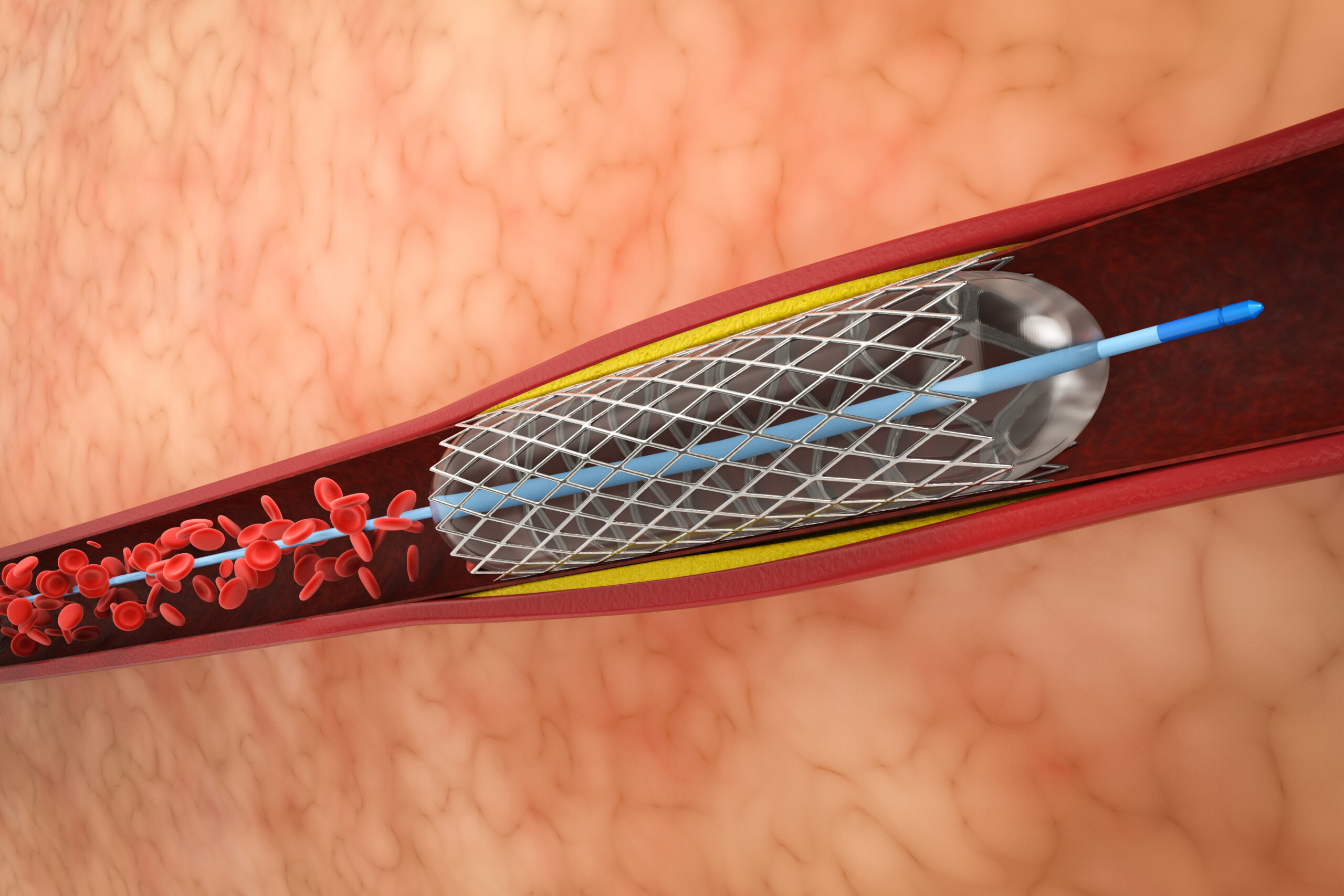
Interventional Cardiologists perform procedures like angioplasty and stenting to open blocked coronary arteries.
Electrophysiologists specialise in heart rhythm disorders — arrhythmias, atrial fibrillation, and conditions requiring pacemaker implantation.
Heart Failure Specialists manage patients with reduced cardiac pumping function, often coordinating complex medication regimens and device therapies.
Preventive Cardiologists focus on identifying and reducing risk factors — cholesterol, blood pressure, diabetes, smoking — before disease develops.
For most patients, a general cardiologist handles initial evaluation, risk assessment, diagnostic testing, and ongoing management, referring to subspecialists when needed.
Warning Signs That Mean You Should Book an Appointment Today
You do not need to wait for a dramatic symptom to see a cardiologist. In fact, the most effective cardiac care happens before dramatic symptoms occur. That said, certain signs should prompt an immediate consultation:
- Chest pain or tightness, especially during physical activity or stress
- Unexplained shortness of breath, even during mild exertion or at rest
- Heart palpitations — a racing, fluttering, or skipping sensation in the chest
- Dizziness or fainting without an obvious cause
- Swelling in the ankles or feet, which can indicate fluid retention from heart failure
- Persistent fatigue that is disproportionate to your activity level
- High blood pressure that is not responding well to current medication
Even if you have none of these symptoms, a baseline cardiac evaluation is recommended if you are over 40, have a family history of heart disease, are diabetic or pre-diabetic, smoke, are significantly overweight, or lead a largely sedentary lifestyle.
The best cardiologists in Sarjapur will not just treat what is already wrong — they will help you understand and manage what could go wrong in the future.
What Happens During Your First Cardiology Visit
First-time patients often feel anxious about what a cardiology appointment involves. Understanding the process can help you feel more prepared and get more out of the consultation.
Medical History Review Your cardiologist will ask detailed questions about your symptoms, duration, triggers, and any existing conditions. They will also want to know your family history, current medications, lifestyle habits, and any previous cardiac investigations.
Physical Examination This includes checking blood pressure in both arms, listening to heart and lung sounds with a stethoscope, examining the neck veins, and checking for swelling in the limbs.
Baseline Investigations Depending on your presentation, you may be asked to undergo some or all of the following:
- ECG (Electrocardiogram): A painless, 5-minute test that records the electrical activity of your heart
- Echocardiogram: An ultrasound of the heart that shows its structure, valve function, and pumping efficiency
- Stress Test (TMT): Evaluates how your heart responds to physical exertion on a treadmill
- Blood Tests: Lipid profile, blood sugar, thyroid function, kidney function, and cardiac enzymes
- Holter Monitor: A portable ECG worn for 24–48 hours to capture intermittent rhythm disturbances
- CT Coronary Angiogram: A non-invasive scan to check for blockages in the coronary arteries
Not every patient needs every test. A skilled cardiologist will order only what is clinically necessary based on your specific presentation.
The Role of Lifestyle in Cardiac Health
Medication and procedures are only part of cardiac care. Lifestyle modification remains the single most powerful tool available for both preventing and managing heart disease. Here is what the evidence consistently supports:
Diet: A heart-healthy diet is rich in vegetables, fruits, whole grains, legumes, nuts, and fish. It limits red meat, processed foods, refined sugar, and excessive salt. The Mediterranean and DASH diets have the strongest evidence base for cardiovascular benefit.
Physical Activity: At least 150 minutes of moderate-intensity aerobic exercise per week — brisk walking, cycling, swimming — significantly reduces cardiovascular risk. Even 30 minutes of walking five days a week makes a measurable difference.
Sleep: Chronic sleep deprivation is an independent risk factor for hypertension, obesity, and heart disease. Adults need 7–9 hours of quality sleep nightly.
Stress Management: Chronic psychological stress raises cortisol levels, increases blood pressure, promotes inflammation, and worsens outcomes in patients with existing heart disease. Yoga, meditation, and structured breathing exercises have demonstrated cardiac benefit.
Smoking Cessation: Smoking is one of the most powerful modifiable risk factors for heart attack and stroke. The cardiovascular risk from smoking begins to drop within 24 hours of quitting and continues to fall over subsequent years.
Your cardiologist is not just there to prescribe — they are there to partner with you on all of these fronts.
Why Proximity to Your Specialist Matters More Than You Think
One of the most underappreciated factors in cardiac outcomes is consistency of follow-up. Patients who regularly see their cardiologist — even when they feel well — have better long-term outcomes because risk factors are caught and adjusted early, medication adherence is monitored, and early warning signs are identified before they escalate.
When your cardiologist is far away, follow-up visits get skipped. A specialist close to where you live or work removes that barrier entirely. For the large and growing population living along the Outer Ring Road and southeastern Bangalore, having access to cardiologists in Sarjapur means no long drives across the city, no half-day lost to traffic, and no excuse to miss that six-month review appointment.
Convenience genuinely saves lives in cardiac care.
What to Look for When Choosing a Cardiac Specialist
Not all cardiologists are equal in experience, communication style, or approach to patient care. Here are the factors worth considering:
Qualifications and Training: Look for DM Cardiology or DNB Cardiology as the postgraduate qualification. Fellowship training from a reputed institution adds further depth.
Experience with Your Specific Condition: If you have a complex arrhythmia, you want someone with electrophysiology experience. If you have heart failure, a specialist in that area is preferable.
Communication Style: A good cardiologist explains things clearly, invites questions, and does not make you feel rushed. This matters enormously for long-term compliance and trust.
Access and Availability: Consider how easy it is to reach them for follow-up, urgent queries, or prescription refills. A local specialist with reliable availability is often more valuable than a famous name who is impossible to reach.
Hospital Affiliation: Your cardiologist should be affiliated with a well-equipped hospital that has catheterisation lab access, cardiac surgery backup, and an ICU — in case a procedure or emergency admission becomes necessary.
The top cardiologists in Sarjapur combine all of these qualities — clinical depth, local accessibility, and a patient-first approach that makes ongoing cardiac care less intimidating and more effective.
Frequently Asked Questions
Q1. At what age should I see a cardiologist for the first time?
If you have no symptoms and no risk factors, a baseline evaluation around age 40 is reasonable. However, if you have diabetes, hypertension, a family history of early heart disease, or are a smoker, a first visit in your 30s is advisable. There is no strict age rule — risk profile matters more than age alone.
Q2. Can I see a cardiologist without a referral?
Yes. In India, you can consult a cardiologist directly without a GP referral. If you have existing test reports or medical records, bring them along — they will help the cardiologist get a clearer picture quickly.
Q3. Is an ECG enough to rule out heart disease?
No. An ECG is a valuable screening tool, but it has limitations. Many cardiac conditions — including early coronary artery disease, diastolic dysfunction, and intermittent arrhythmias — may not show up on a resting ECG. An echocardiogram and blood tests are typically needed for a more complete evaluation.
Q4. How often should I follow up with my cardiologist?
This depends on your diagnosis and treatment plan. Patients on medication for hypertension or high cholesterol typically follow up every 3–6 months. Those with more complex conditions like heart failure or post-procedure patients may need monthly visits initially. Your cardiologist will set the appropriate frequency.
Q5. Can heart disease be reversed with lifestyle changes?
Certain aspects of heart disease can be meaningfully improved — and in some cases partially reversed — through aggressive lifestyle modification. Coronary artery disease progression can be slowed significantly. Blood pressure often normalises with weight loss, diet, and exercise. However, structural damage like severe valve disease or advanced heart failure typically requires medical or surgical intervention. The earlier lifestyle changes are made, the more impactful they are.
Q6. What is the difference between a heart attack and cardiac arrest?
A heart attack occurs when blood supply to part of the heart muscle is blocked — usually by a clot in a coronary artery. The heart continues beating but is being damaged. Cardiac arrest occurs when the heart’s electrical system fails and the heart stops pumping entirely. Cardiac arrest is immediately life-threatening and requires CPR and defibrillation within minutes. A heart attack can sometimes trigger cardiac arrest, but they are distinct events.
Q7. Is chest pain always a sign of a heart problem?
Not always. Chest pain can arise from the muscles, ribs, lungs, oesophagus, or stomach. However, cardiac chest pain should always be ruled out first before attributing pain to another cause — especially if it occurs with exertion, radiates to the arm or jaw, or is accompanied by sweating or breathlessness. Never self-diagnose chest pain.
Conclusion
Your heart health is not something to manage reactively. The most effective cardiac care is proactive — regular evaluations, honest conversations with your specialist, disciplined lifestyle habits, and consistent follow-up. For the thousands of families now living in southeastern Bangalore’s fastest-growing neighbourhoods, world-class cardiac expertise is no longer a cross-city journey away.
If you have been delaying that first appointment, let this be the nudge you needed. Book a consultation, get your baseline numbers, and take the first step toward genuinely understanding your heart health.