
Electronic City has become one of Bengaluru’s largest employment corridors, home to thousands of IT professionals, industrial workers, and their families. With that growth has come a rising need for reliable, close-by cardiac care — not just for emergencies, but for the ongoing prevention and management of heart-related conditions that long working hours and sedentary routines tend to bring on.
This guide covers what residents should know about accessing cardiac care nearby, what to expect from a consultation, and how to recognize when it’s time to see a specialist.
Why Local Access to a Cardiologist Matters
Heart conditions rarely announce themselves clearly. Breathlessness on exertion, occasional chest tightness, palpitations, or persistent fatigue are frequently dismissed as everyday tiredness. But these can be early indicators of underlying cardiac issues — and catching them early almost always leads to simpler, more effective treatment.
Having cardiologists in Electronic City within easy reach means:
- Faster access to diagnostic testing when symptoms appear
- Shorter response times during a cardiac emergency, when every minute matters
- Easier continuity of care for people managing chronic conditions like hypertension or heart failure
- Reduced logistical burden for elderly patients or those with mobility challenges
Who Should See a Cardiologist
Not every ache or occasional flutter needs a cardiology visit, but certain signs warrant prompt attention:
- Chest discomfort, pressure, or pain — especially during physical activity
- Breathlessness that’s disproportionate to exertion
- Palpitations or a sense of irregular heartbeat
- Unexplained fatigue or reduced exercise tolerance
- A family history of heart disease
- Existing diabetes, high blood pressure, or high cholesterol
- Age over 40, particularly with any of the above risk factors
If any of these apply, consulting a cardio specialist for a proper evaluation is a sensible next step rather than waiting for symptoms to worsen.
What a Cardiology Consultation Typically Involves
A first visit with a cardiologist usually includes:
- A detailed history — symptoms, lifestyle, family history, and existing conditions
- A physical examination — including blood pressure and basic cardiac assessment
- Diagnostic tests as needed — ECG, echocardiography, treadmill stress testing, or Holter monitoring
- A discussion of findings — explained in plain language, with a clear plan going forward
- A treatment or monitoring plan — ranging from lifestyle changes to medication to, in some cases, referral for interventional procedures
Dr. M. Sudhakar Rao: Cardiac Care Rooted in the Community
Dr. M. Sudhakar Rao is an experienced interventional cardiologist serving patients across Electronic City and the surrounding areas. His practice combines procedural expertise with a strong emphasis on long-term patient relationships. Areas of focus include:
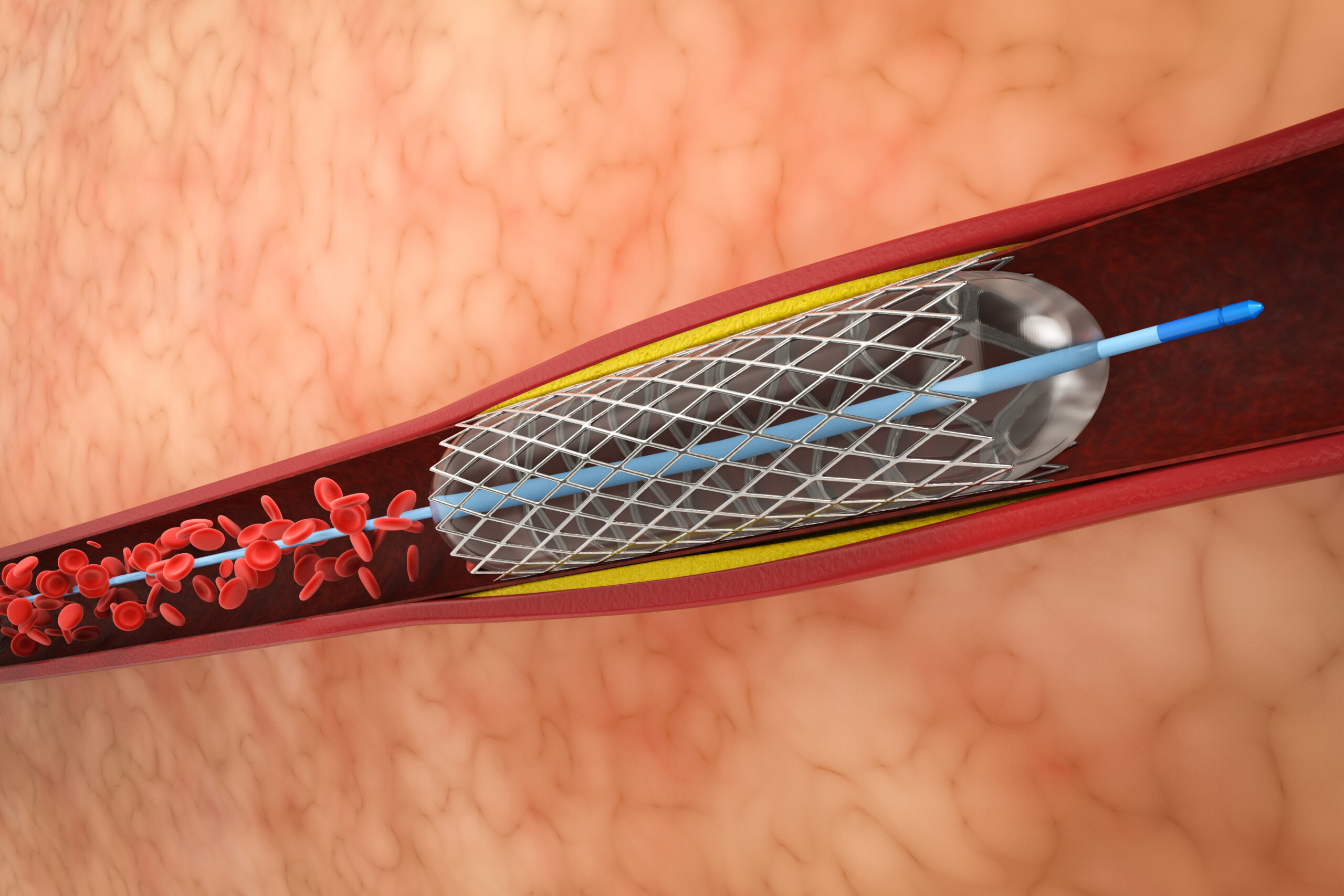
- Angioplasty and Stenting for blocked or narrowed coronary arteries
- Heart Failure Management, including medication optimization and structured monitoring
- Diagnostic Cardiology, using ECGs, echocardiograms, stress tests, and angiography
- Advanced Interventional Procedures for complex or high-risk cardiac cases
Residents comparing options often look for the Best Cardiologists in Electronic City who can offer both immediate procedural skill and the ongoing attentiveness needed for chronic condition management — a combination that becomes especially valuable for patients dealing with recurring or progressive heart issues.
Common Conditions Managed Locally
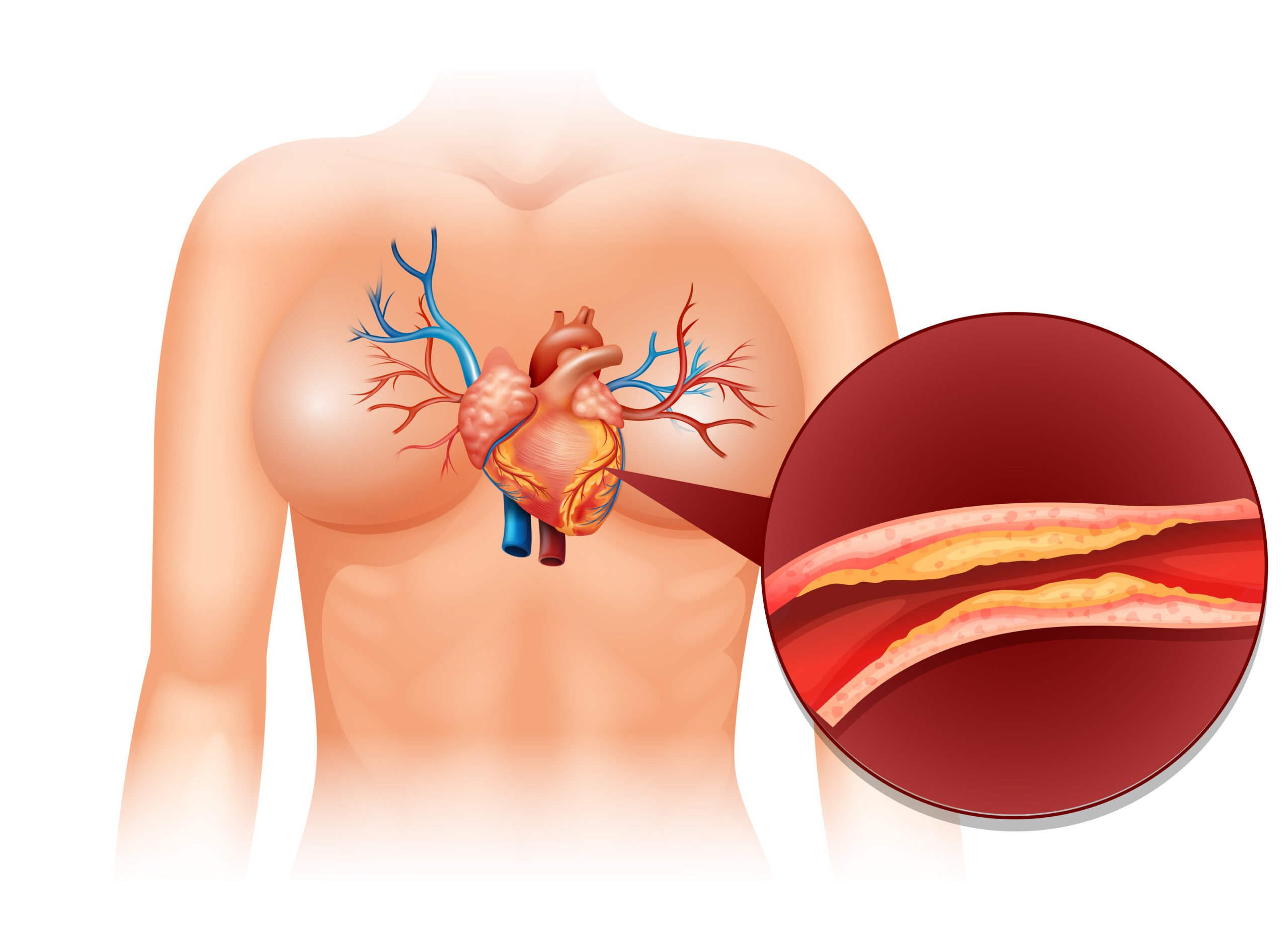
- Coronary Artery Disease (CAD) — treated through lifestyle changes, medication, or angioplasty depending on severity
- Heart Failure — long-term management combining medication, monitoring, and lifestyle adjustment; see this detailed overview of Cardiac Heart Failure Treatment in Electronic City
- Hypertension-Related Heart Disease — ongoing blood pressure control to reduce long-term cardiac strain
- Arrhythmias — irregular heart rhythms requiring careful diagnostic evaluation
- Valvular Heart Disease — valve dysfunction managed medically or, when necessary, through intervention
Everyday Habits That Support Long-Term Heart Health
Alongside professional care, daily habits play a significant role in prevention:
- Balanced nutrition — lower salt and processed food intake, higher fiber and fresh produce
- Regular movement — at least 30 minutes of moderate activity most days
- Stress management — chronic stress is a known contributor to hypertension
- Routine screening — increasingly important after age 40 or with existing risk factors
- Avoiding tobacco, moderating alcohol — both meaningfully raise cardiovascular risk
- Consistent medication adherence — critical for anyone already managing a diagnosed condition
For general public health guidance on heart-healthy living, the American Heart Association is a useful reference point.
Frequently Asked Questions
1. How urgently should I see a cardiologist if I have chest discomfort? Persistent or severe chest discomfort, especially with breathlessness, sweating, or radiating pain, should be treated as a potential emergency — seek immediate medical attention rather than waiting for a scheduled appointment.
2. Can cardiologists in Electronic City handle both diagnosis and treatment? Yes. A qualified interventional cardiologist can typically manage the full pathway — from diagnostic evaluation through to procedures like angioplasty, when needed — without requiring a separate specialist for each stage.
3. How often should I get a cardiac check-up if I have no symptoms? Generally, an annual check-up is reasonable after age 40, or earlier if you have risk factors such as diabetes, hypertension, or a family history of heart disease.
4. Is ongoing follow-up necessary after a procedure like angioplasty? Yes. Regular follow-up helps monitor recovery, medication response, and any signs of recurring blockages, and is a standard part of post-procedure care.
5. How do I schedule an appointment? You can visit the official website to explore available treatments, or contact the clinic directly via WhatsApp for scheduling and queries.
Final Thoughts
For residents of a fast-growing, high-pressure work hub like Electronic City, having reliable access to experienced cardiologists isn’t just a convenience — it’s an important part of long-term health planning. Whether the need is preventive screening, ongoing management of an existing condition, or advanced interventional care, choosing a specialist close to home supports both faster response in emergencies and more consistent care over time.