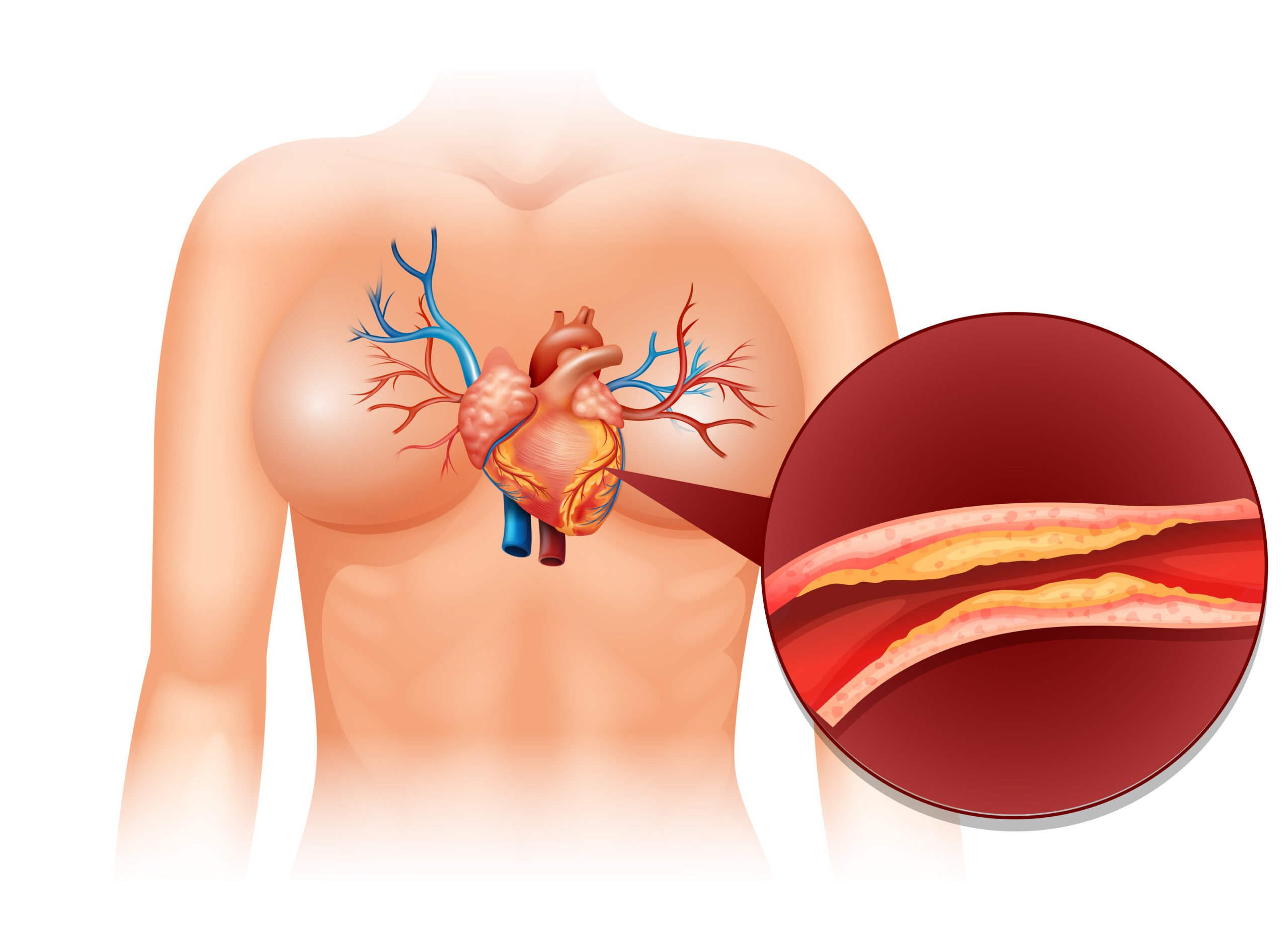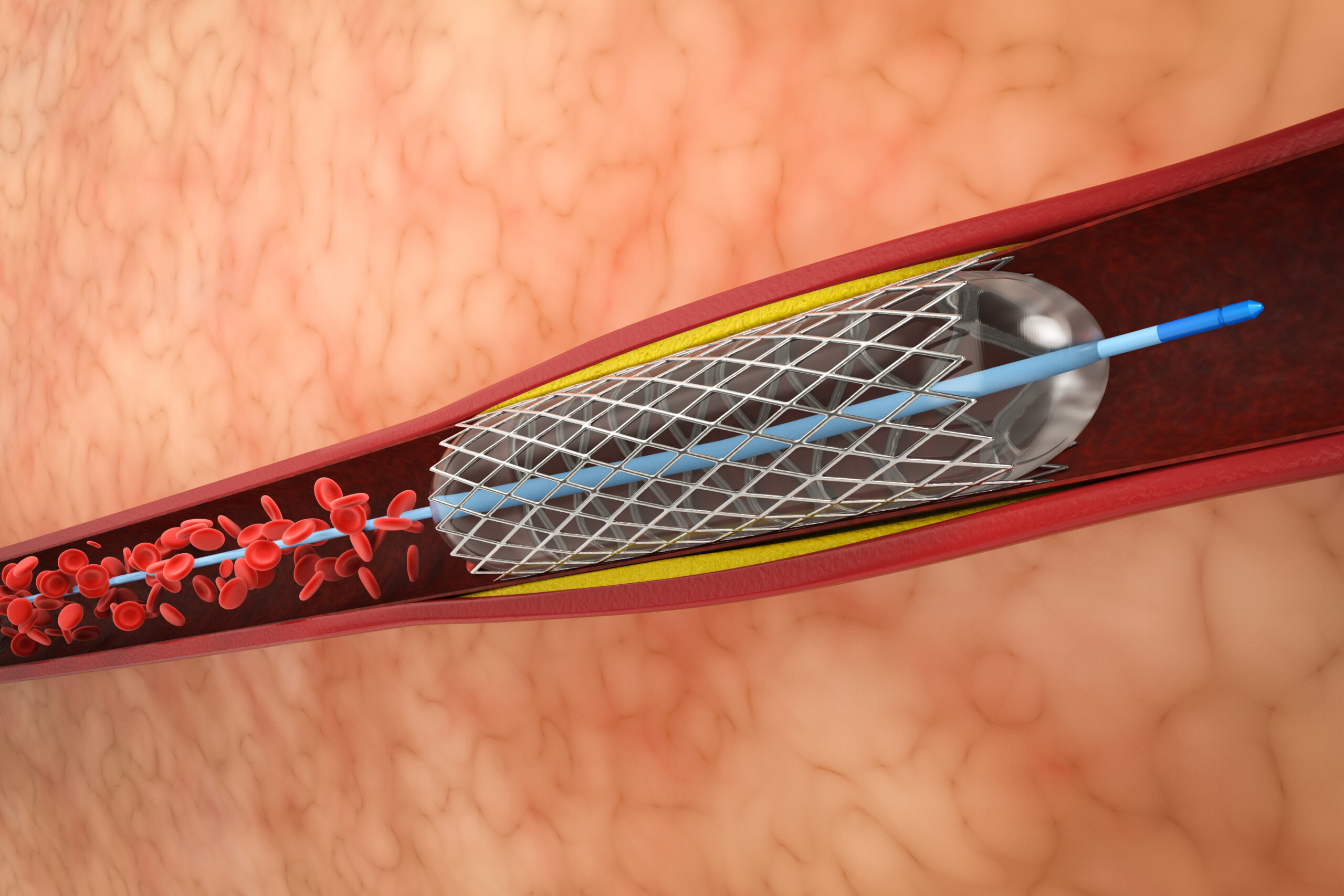

When people think about choosing a cardiologist, most of the focus goes toward credentials, experience, and reputation — and rightly so. But there’s a practical dimension that gets overlooked just as often: where that care actually happens. A brilliant specialist working out of a facility with limited diagnostic infrastructure, or one that’s inconvenient to reach for regular follow-ups, can still leave gaps in your care simply because of logistics.
If you’re searching for a cardiologist specialist doctor in Sarjapur Road, you’re likely weighing exactly this — not just who’s qualified, but who’s realistically accessible for the ongoing relationship that cardiac care requires. This guide looks at why proximity, facility infrastructure, and continuity of care matter just as much as a specialist’s individual expertise, and what to actually check before committing to long-term treatment.
Cardiac Care Is Rarely a One-Time Visit
Unlike some medical conditions that resolve after a single treatment, cardiac care is almost always ongoing. Whether it’s monitoring blood pressure medication, following up after a stent, or managing a chronic condition like heart failure, the relationship with your cardiologist extends far beyond the first consultation.
This is exactly why proximity matters. A facility that’s difficult to reach regularly tends to result in skipped follow-ups, delayed check-ins, and gaps in monitoring — all of which can allow a well-managed condition to quietly slip. People searching for the best cardiologists in Sarjapur Road are often making a long-term commitment, not just booking a single appointment, and the location needs to support that.
What a Well-Equipped Cardiac Facility Should Offer
Beyond the specialist’s individual expertise, the facility itself plays a significant role in how efficiently a condition can be diagnosed and treated. Look for a cardiac clinic in Sarjapur Road or nearby that offers comprehensive diagnostics under one roof, including:
- Electrocardiogram (ECG/EKG): Baseline assessment of the heart’s electrical rhythm
- Echocardiography (ECHO): Ultrasound imaging of heart structure and pumping efficiency
- Treadmill Test (TMT): Evaluates how the heart performs under physical exertion
- Coronary Angiography: Direct visualization of arterial blockages using contrast imaging
- Cardiac CT and MRI: Detailed structural imaging for complex or ambiguous cases
- Holter Monitoring: Continuous rhythm tracking over 24–48 hours to catch intermittent arrhythmias
A facility offering all of these avoids the delays and inconvenience of being referred elsewhere between each test — which matters both for diagnostic speed and for how manageable ongoing care feels over time.
What to Look for in the Specialist Themselves
Facility infrastructure matters, but it doesn’t replace the need for genuine specialist expertise. When evaluating a cardio specialist near Sarjapur Road, a few factors consistently separate strong care from average care:
Procedural volume. A cardiologist who has personally performed thousands of angiograms and hundreds of angioplasties has built pattern recognition that directly improves outcomes, particularly in complex or time-sensitive cases.
Subspecialty depth. Interventional cardiology, electrophysiology, structural heart disease, and heart failure management each require distinct, focused training. Matching a specialist’s specific area of depth to your condition matters more than general reputation.
Communication style. The best specialists explain findings clearly, walk through the reasoning behind recommended tests or treatments, and don’t rush decisions — particularly around invasive procedures.
Willingness to discuss alternatives. If a consultation leaves you without a clear sense of your options, or feeling pressured toward a specific path, that’s worth addressing directly or seeking a second opinion.
Recognizing When It’s Time to See a Specialist
Heart disease develops quietly, often for years, before producing noticeable symptoms. Recognizing early warning signs — rather than waiting for something dramatic — is what allows for less invasive, more effective treatment.
Symptoms worth acting on include:
- Breathlessness during activity that used to feel effortless
- Chest tightness, pressure, or discomfort, particularly with exertion
- Palpitations, skipped beats, or an irregular pulse
- Persistent fatigue that doesn’t improve with rest
- Swelling in the legs, ankles, or abdomen
- A family history of heart attack, stroke, or sudden cardiac death
None of these need to be severe to warrant an evaluation from an angioplasty doctor in Sarjapur Road or general cardiac specialist. Early, mild versions of these symptoms are often exactly when intervention has the most impact.
Heart Failure: Why Ongoing Access to Care Matters Most
Heart failure is one condition where proximity and continuity of care genuinely change outcomes. The name is misleading — it doesn’t mean the heart has stopped, but that it isn’t pumping blood as efficiently as the body needs. People searching for cardiac heart failure treatment in Sarjapur Road are often already managing symptoms that built up gradually:
- Breathlessness during mild activity or while lying flat
- Persistent swelling in the legs, ankles, or abdomen
- Sudden, unexplained weight gain from fluid retention
- Chronic fatigue and reduced exercise tolerance
- A dry, persistent cough, sometimes with white or pink-tinged mucus
Managing heart failure well requires frequent monitoring — medication adjustments, symptom check-ins, and periodic testing to catch early signs of decline before they escalate into hospitalization. This is a condition where a hard-to-reach specialist genuinely translates into worse outcomes, simply because the follow-up cadence that effective management requires becomes harder to maintain.
Lifestyle Habits That Support Long-Term Outcomes
Medical treatment and access to good facilities address one part of the equation — daily habits determine the rest:
- Diet: Reducing processed foods, excess sodium, and trans fats while increasing whole grains, vegetables, and healthy fats
- Exercise: Roughly 150 minutes of moderate activity weekly, adjusted to whatever level your cardiologist considers safe
- Sleep: Poor, inconsistent sleep is strongly linked to elevated blood pressure and arrhythmia risk
- Stress management: Chronic stress raises cortisol and blood pressure, both of which strain the cardiovascular system over time
- Routine monitoring: Regular checks of blood pressure, cholesterol, and blood sugar, particularly with a family history of heart disease
A specialist who’s easy to reach for regular monitoring makes it far more practical to actually follow through on these habits consistently, rather than letting check-ins lapse.
When to Book a Consultation
You don’t need a crisis to justify a visit. Consider scheduling an evaluation if:
- You’re over 40 and haven’t had a baseline cardiac check-up
- You have diabetes, high blood pressure, or high cholesterol
- A first-degree relative has a history of heart disease or stroke
- You’ve noticed any of the warning symptoms outlined above
- You currently smoke or have a significant smoking history
- You’re recovering from a cardiac event and need structured, ongoing management
Dr. M. Sudhakar Rao, a consultant interventional cardiologist practicing at Manipal Hospital, Sarjapur Road, brings over 15 years of experience, more than 10,000 coronary angiograms, and 1,000+ primary angioplasties to his practice. His focus spans complex coronary interventions, structural heart procedures, device implantation, and heart failure management — all delivered from a facility offering comprehensive diagnostics under one roof, which makes both the initial workup and years of follow-up genuinely more manageable.
If you’re comparing options across nearby areas, related guides are available for Koramangala, HSR Layout, Marathahalli, Bellandur, and Electronic City, each covering what to look for in a specialist based on your specific needs.
Frequently Asked Questions
How do I find the best cardiologists in Sarjapur Road for ongoing care, not just a one-time visit?
Look for a specialist and facility that are realistically convenient for regular follow-ups, since most cardiac conditions require months or years of monitoring rather than a single consultation.
What should I expect during a first visit to a cardio specialist near Sarjapur Road?
A first consultation typically includes a detailed history review, physical exam, blood pressure check, and often a baseline ECG, with further tests like an echocardiogram or stress test recommended depending on findings.
Why does facility location matter for heart failure management specifically?
Heart failure requires frequent monitoring and timely medication adjustments. A facility that’s difficult to reach regularly can lead to delayed check-ins, which allows the condition to progress further before being caught.
How do I choose the best doctor cardiologist in Sarjapur Road for a complex condition?
Ask about their procedural volume for cases similar to yours, confirm their subspecialty training matches your condition, and check whether the facility offers comprehensive in-house diagnostics.
Is heart failure treatment always long-term? In most cases, yes. Heart failure is typically a chronic condition managed through medication, lifestyle changes, and regular monitoring, though treatment intensity often decreases once the condition is well controlled.
Can I get all my cardiac tests done at one facility, or will I need multiple referrals?
A well-equipped cardiac facility should offer ECG, echocardiography, treadmill testing, Holter monitoring, and cardiac CT/MRI under one roof, avoiding the delays that come with referrals to separate diagnostic centers.
Final Thoughts
Choosing a cardiologist is about more than credentials on paper — it’s about finding a specialist and facility that can realistically support months or years of ongoing care. Proximity, comprehensive in-house diagnostics, and a communication style that keeps you informed all matter as much as individual expertise. Together, they’re what actually determine whether cardiac care feels manageable over the long run, rather than something you have to fight to keep up with.